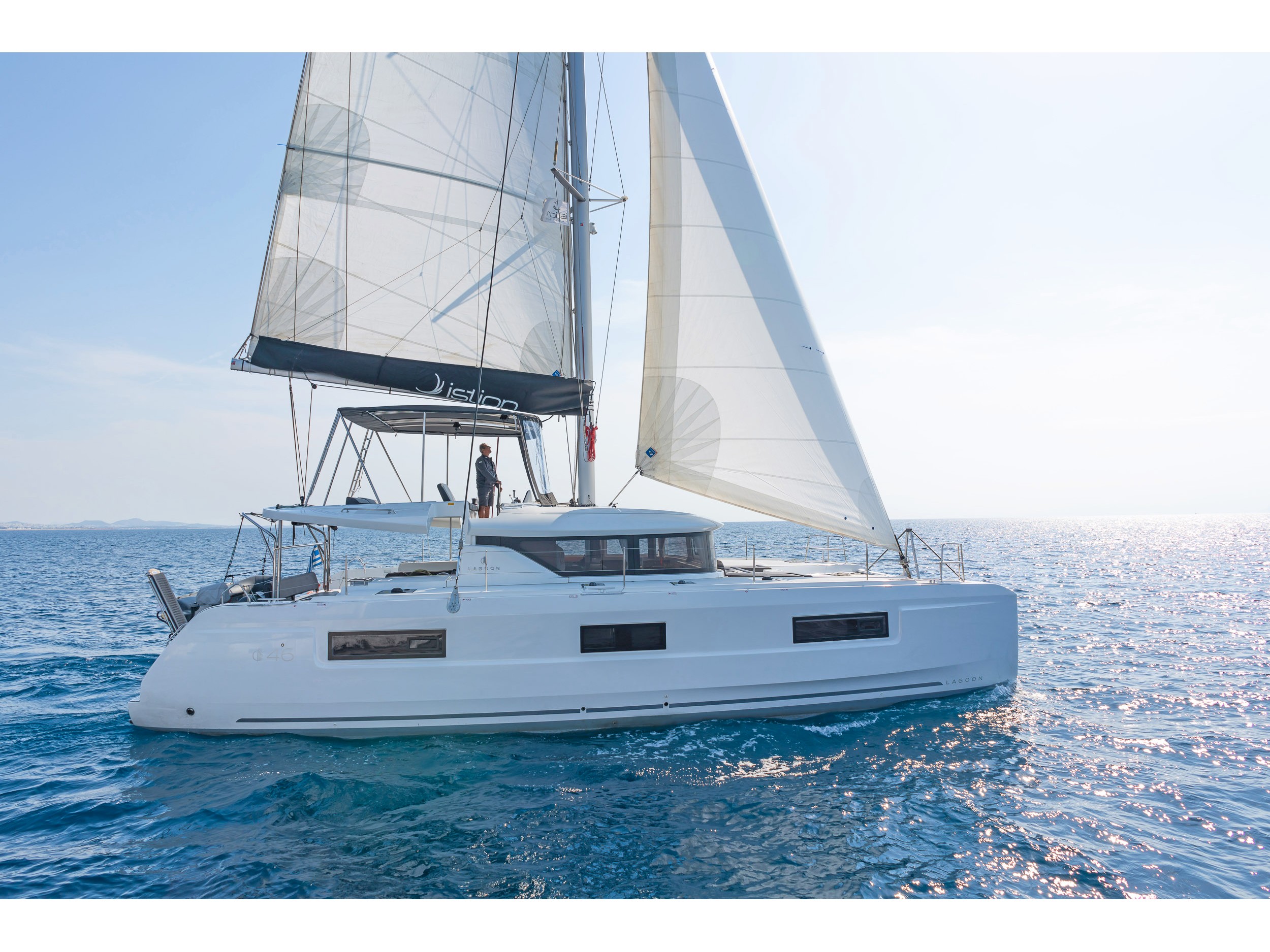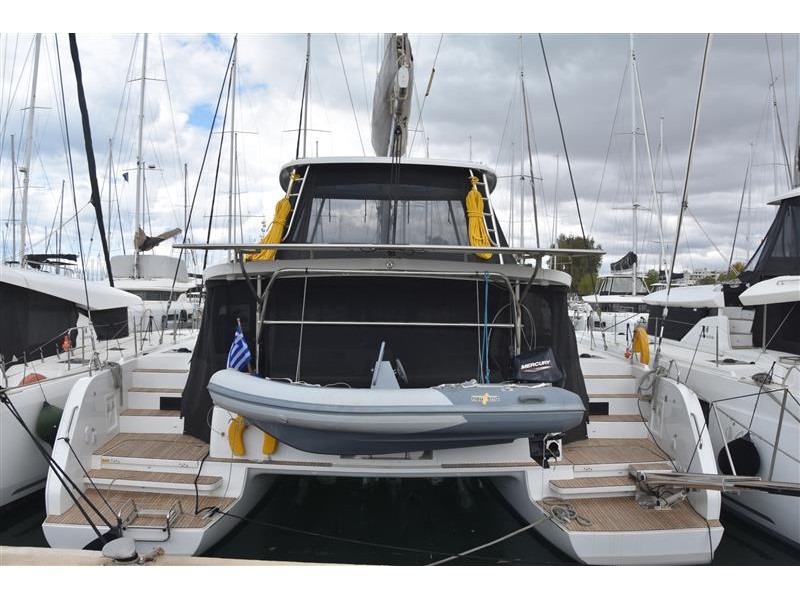

Greece, the blue heart of the Mediterranean
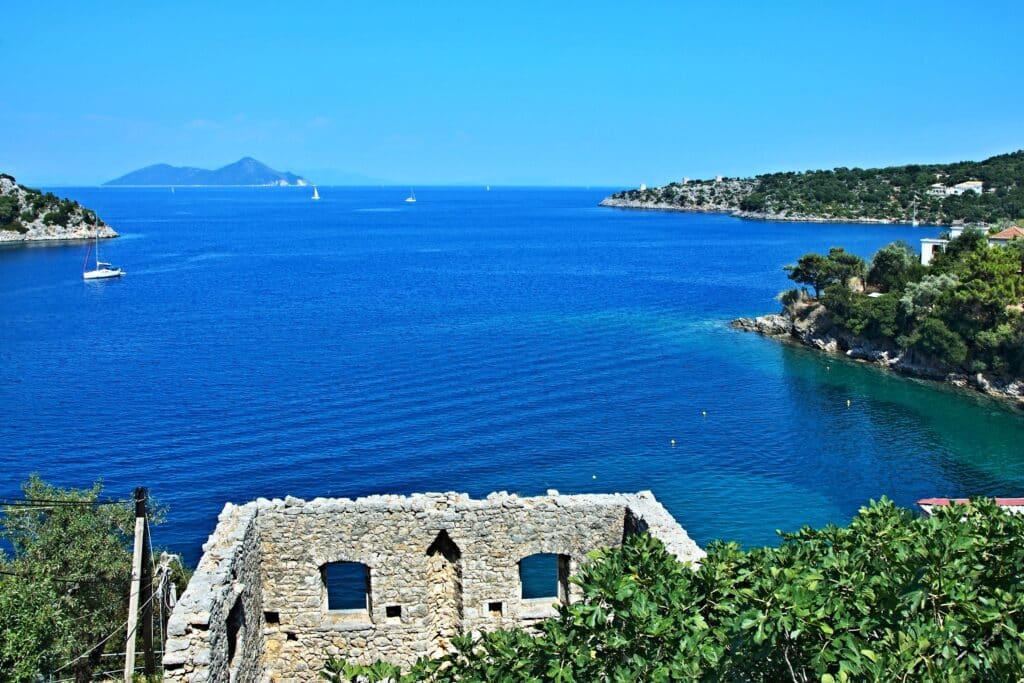
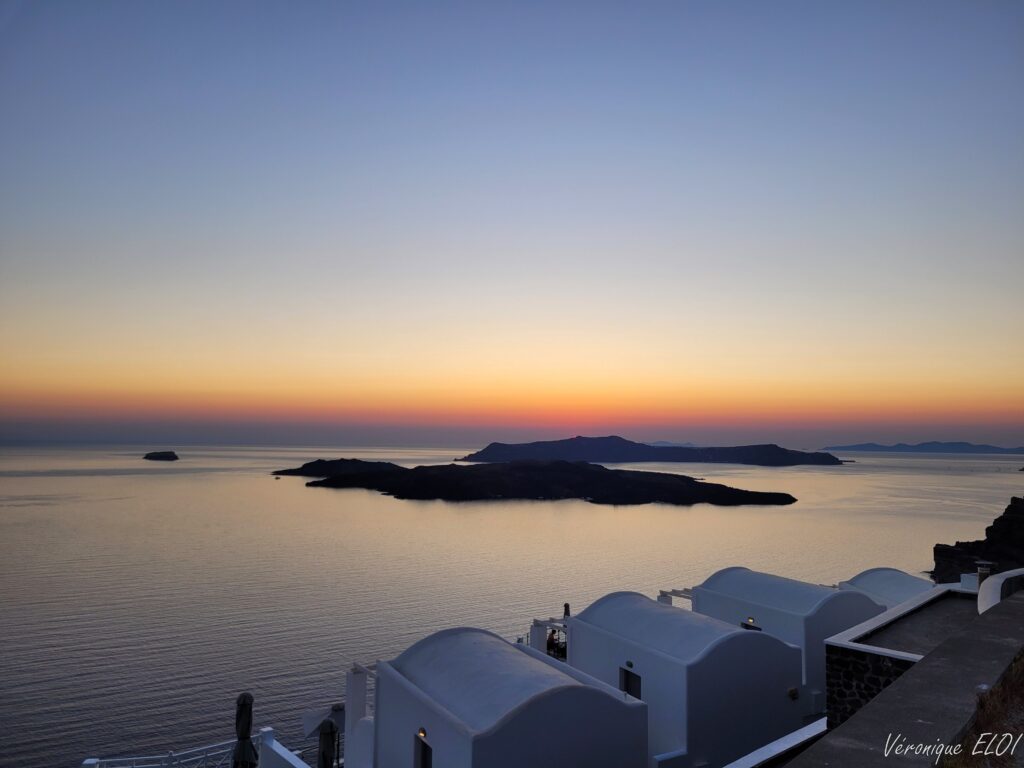
Between the Ionian Islands, the Cyclades, the Dodecanese, the Sporades and the Saronic Islands, Greece has a thousand beauties for you to discover.
In brief
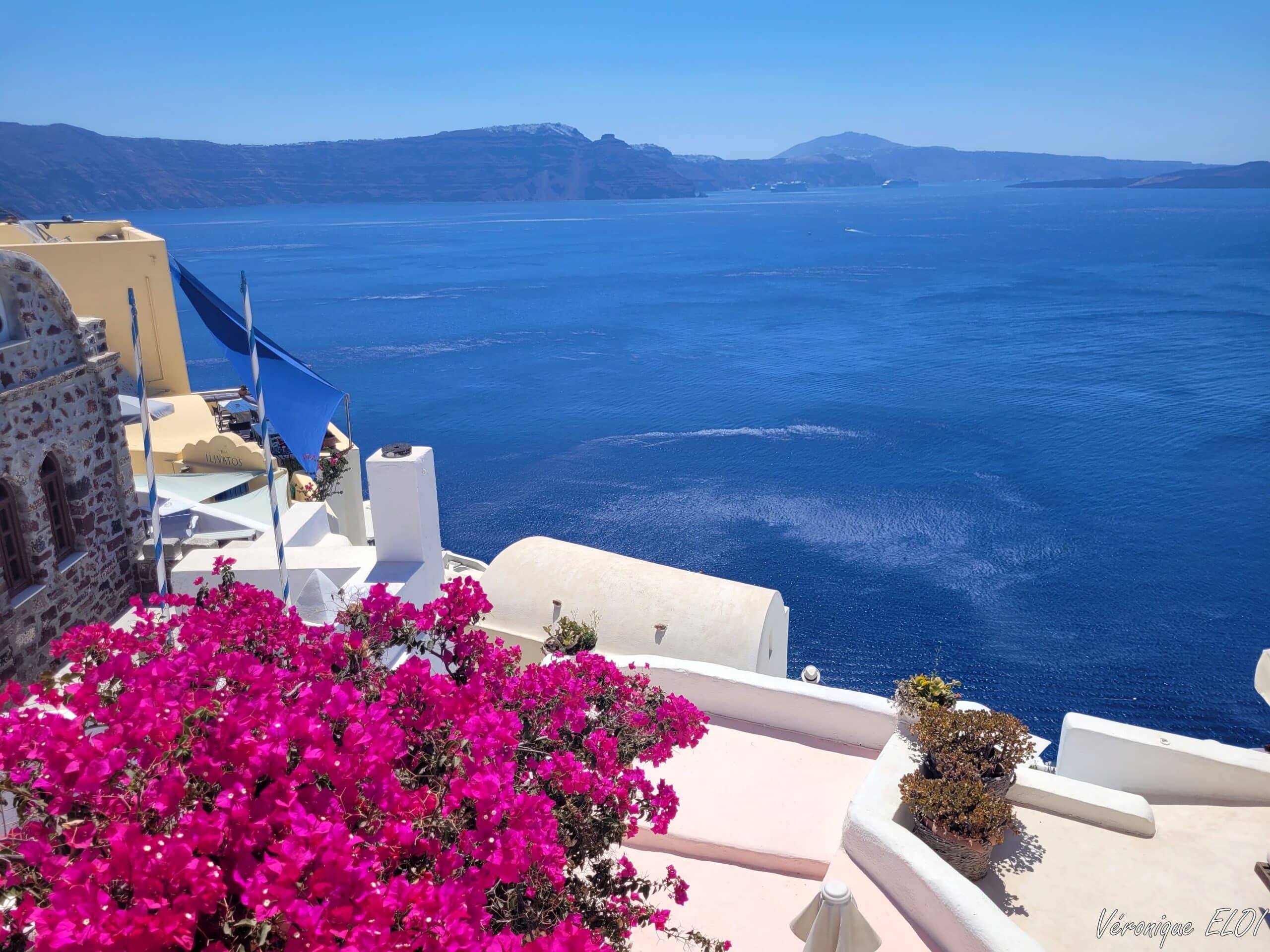
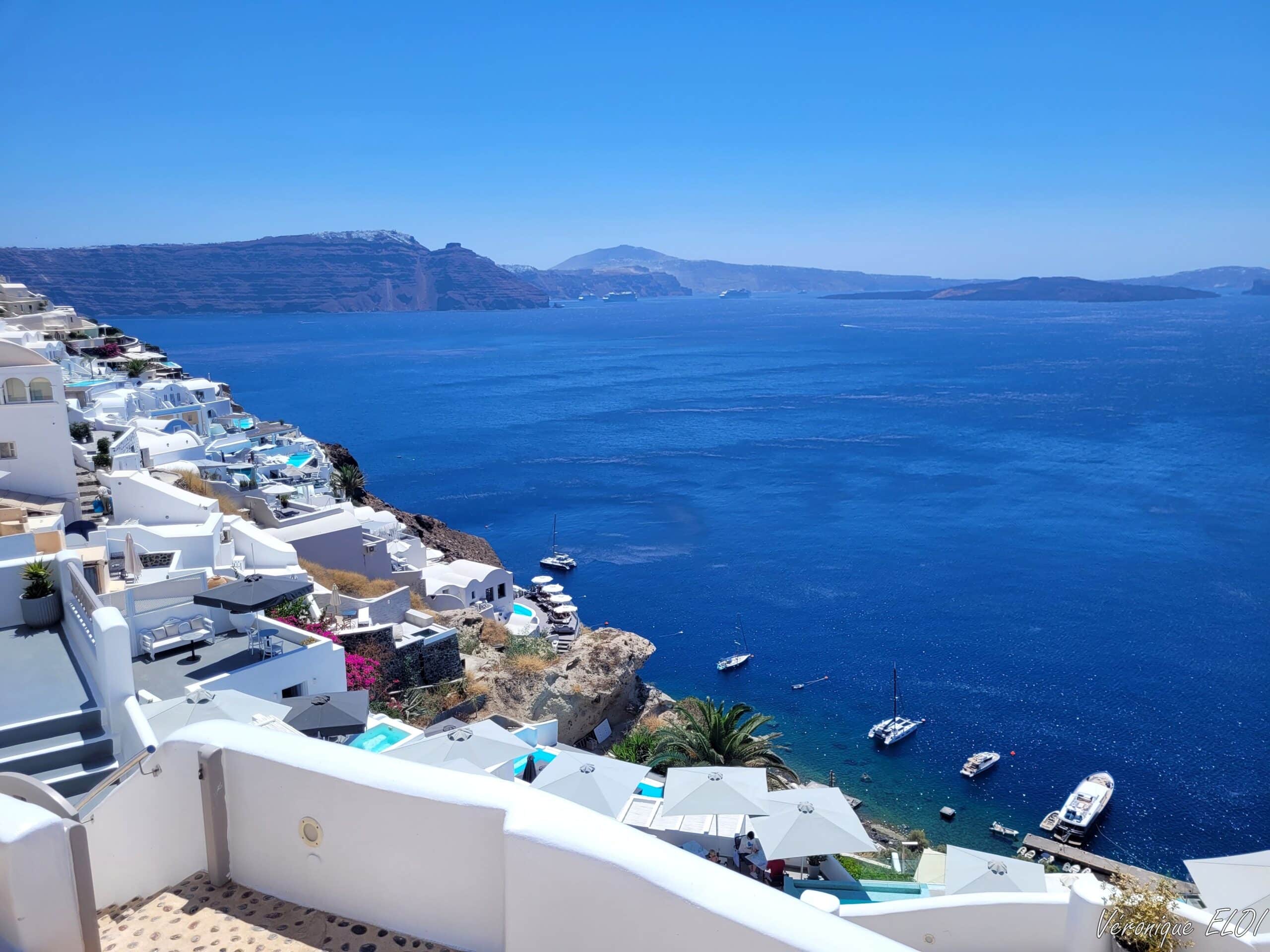
In Greece, you're guaranteed an escape to the heart of breathtaking landscapes, intense blues, striking monuments, adorable villages, delicious food... and not forgetting the Greek hospitality that won't leave you indifferent.
An incomparable cultural cruise through ancient, Roman, Byzantine and Ottoman civilizations awaits you.
You can choose between several sailing areas: the Cyclades Islands, the Dodecanese, the Ionian Islands, the Saronic Islands and the Sporades Islands.
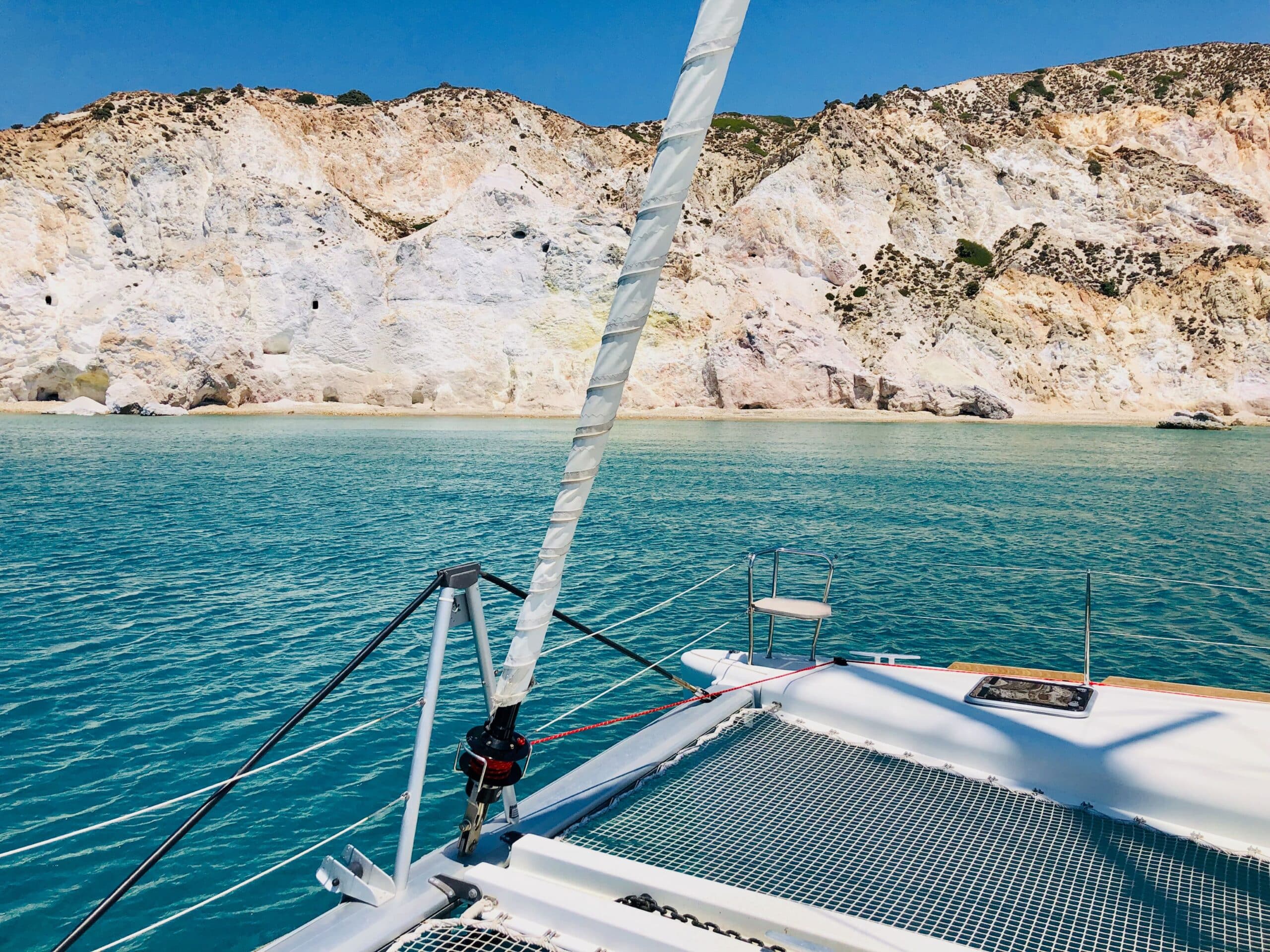
Choose your cruising area, your catamaran and embark.
Information before you leave
The climate
Typically Mediterranean climate with lots of sunshine, hot dry summers and mild, rainy winters.
You can easily sail in Greece from April to October.
Prevailing winds
"It's not the sea that makes the waves, it's the wind." Quino / Mafalda
Winds are generally stronger at the height of summer, and lighter in spring and autumn.
The meltem or meltémi or etésien: it blows in summer in the Aegean Sea, more widely from May to October, and particularly in the Cyclades, over periods of 2 to 4 days. It's a very strong wind that brings coolness, much appreciated during the hot summer months.
These winds occur when an anticyclone forms over the Balkans and a low-pressure system over Turkey. Their average strength is 5 to 6 Beaufort, but they can reach 7 or 8 Beaufort, and often do.
The island of Tinos in the Cyclades is nicknamed "the island of winds", as the meltem blows almost non-stop in summer, much to the delight of windsurfers.
The meltem makes sailing more sporty, so if you're a new skipper, you'll be better off in other parts of Greece where the meltem blows less strongly, such as the Saronic Gulf or the islands of the Ionian Sea.
The Greek website Poseidon provides a very reliable 3 to 4-day wind forecast in terms of strength and direction.
Swimming
The ideal time to go swimming in Greece is from June to October.
On the whole, the water is warmest in Athens in July and August, followed by Corfu in the Ionian Sea, but there is very little variation between the different areas below.
Average water temperatures between April and November throughout Greece (Athens, Cyclades, Ionian Islands, Dodecanese).
Around 15-16°C mid-April
Around 18-19°C mid-May
Around 22°C mid-June
Around 24-25°C mid-July
Around 25-26°C mid-August
Around 23-25°C mid-September
Around 21-22°C mid-October
Around 18-20°C mid-November
Bathing on the Dodecanese islands is generally pleasant until mid-November.
Formalities
For French nationals, for a tourist stay of less than 3 months, all travelers, including minors, must be in possession of a passport or national identity card valid for the entire duration of their stay. For other nationals, please contact the relevant authorities.
Please note that proof of identity is required to embark with one of our rental partners.
Boating license
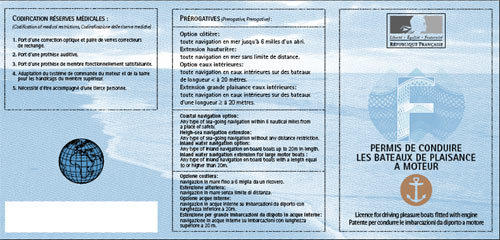
Please note that you need a CRR or permit to sail in Greece.
Sailing in Greece
Harbors and marinas: Generally speaking, you'll find plenty of anchorages and small harbors in Greece, with prices that make you smile (€7 on average!).
With the exception of Athens, ports are pleasant and tavernas are not far away.
Anchorages are often close to the coast, so be sure to bring along a long hawser and a dinghy for disembarking - watch out for sea urchins!
In harbors, anchor well forward of the quay and back up to the quay, freeing the chain!
If there's no room at the harbor, call a cab boat from the anchorage!
To know more
Currency and exchange: Euro. In general, Greeks use cash a lot. Credit cards are not widely used.
Time difference: There is a +1h time difference with France. UTC+2 in winter and UTC+3 in summer.
Important contacts in Greece :
- European emergency number: 112
- Police: 100
- First aid: 166
Language: Greek. The alphabet is different, but don't worry: tourist information and menus are translated into English or written phonetically.
A few words to know :
French Greek Phonetic
Hello / Bonsoir, καλημέρα / καλησπέρα, kaliméra / kalispéra
Goodbye, Τα λεμε, Ta leme
Thank you (very much), ευχαριστώ (πολύ), Efkharîsto (polí)
Greek salad, ελληνικη σαλατα, horiatiki salata
Getting to Greece: The main international airports on the coast are Athens, Thessalonica, Kos, Mykonos and Corfu.
The Cyclades archipelago
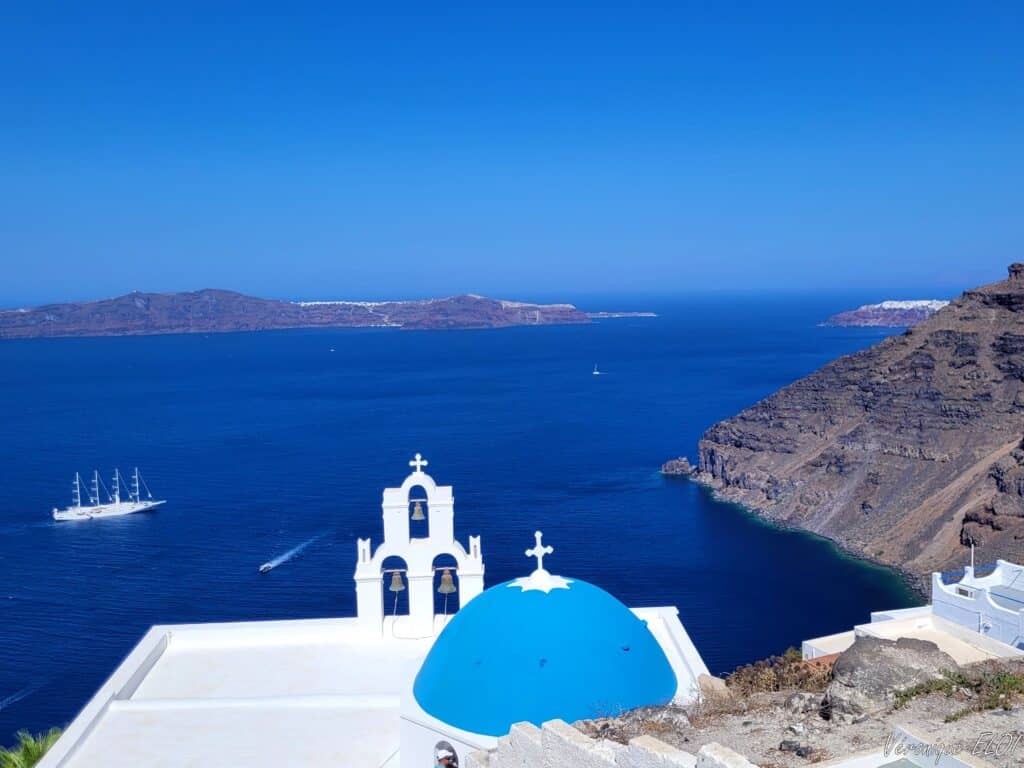
The Cyclades archipelago comprises 24 inhabited islands in the heart of the Aegean Sea. The name Cyclades refers to the circular shape the islands form around the sacred island of Delos, where mythology has it that the god Apollo was born.
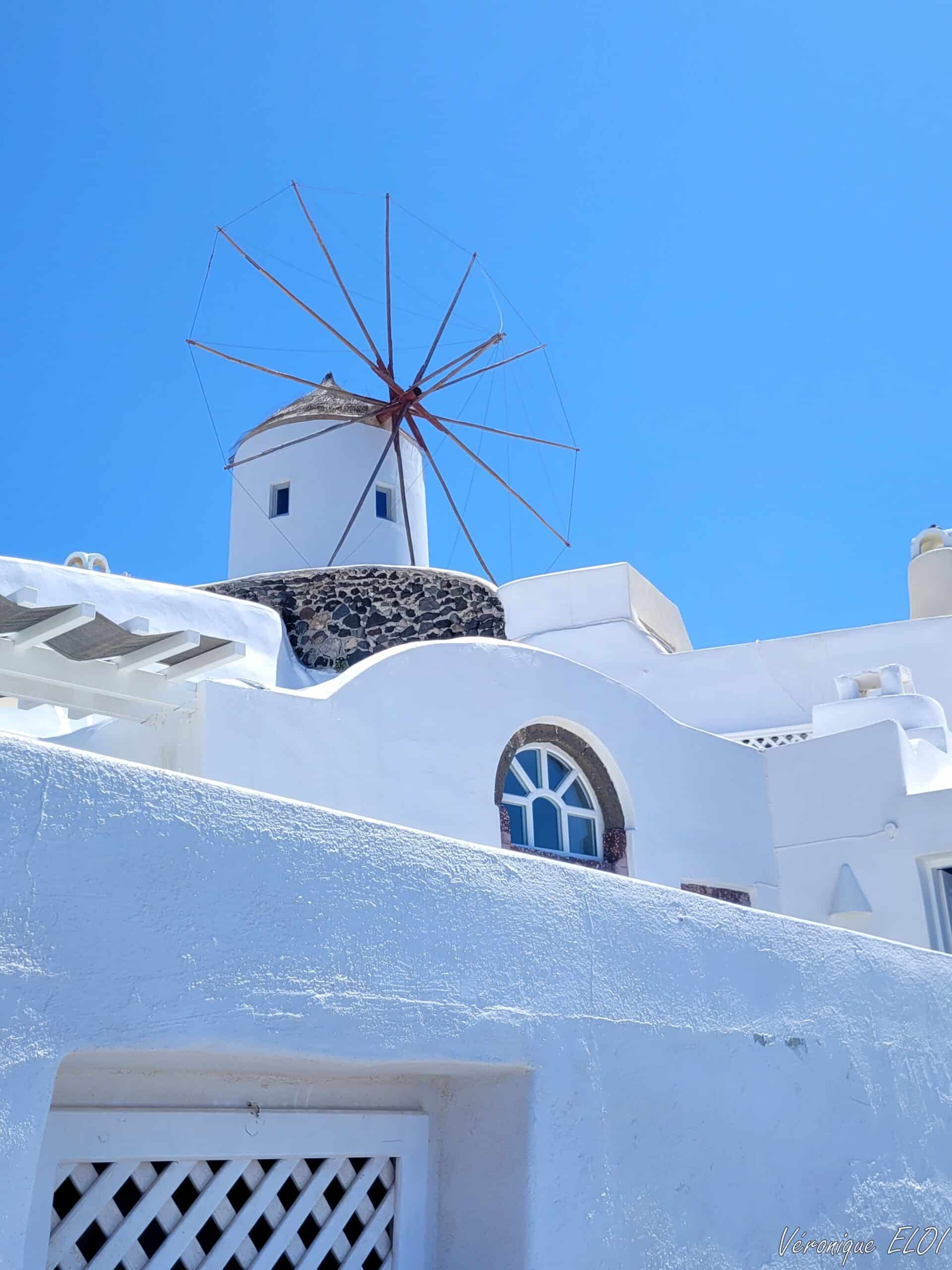
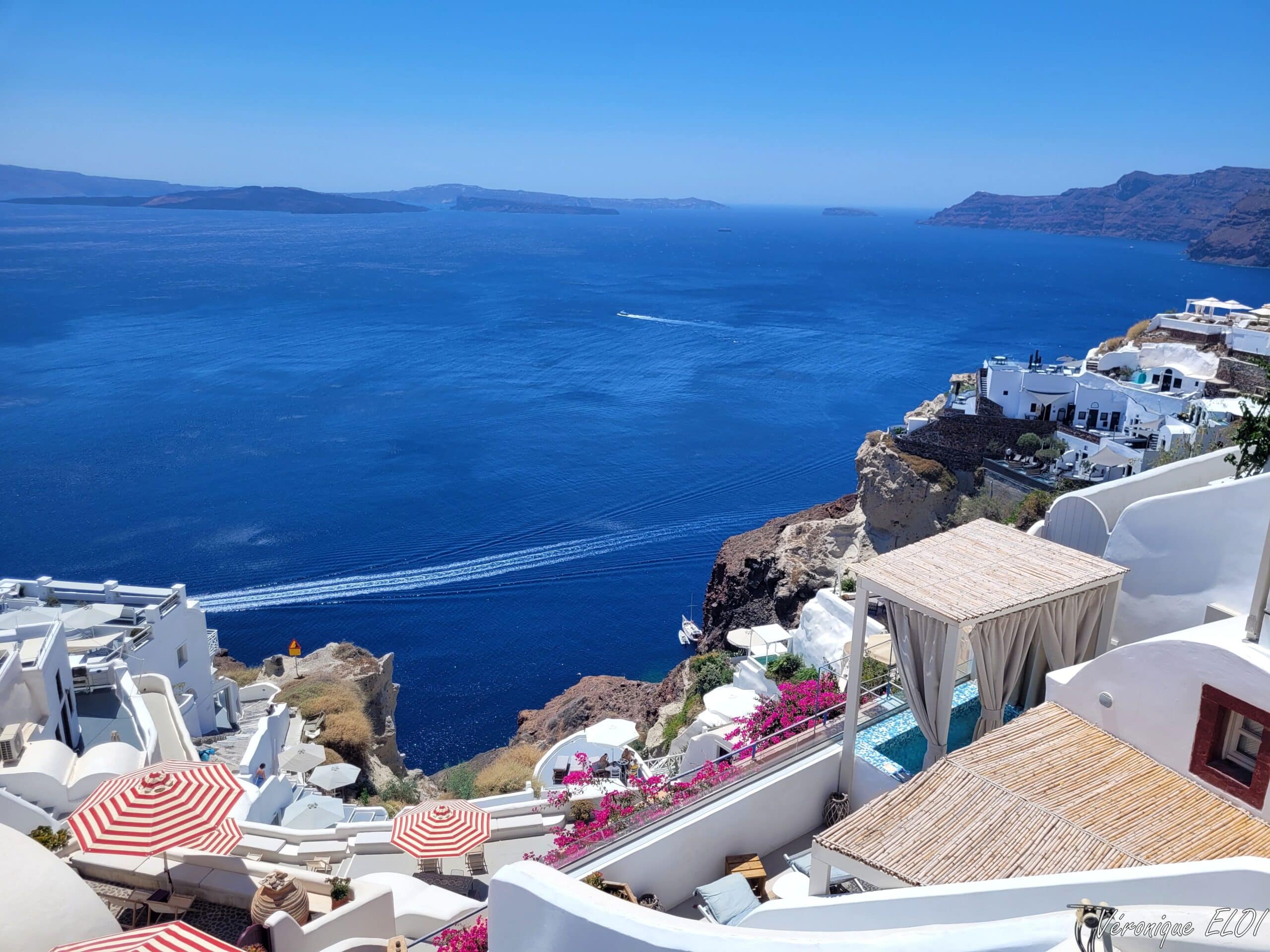
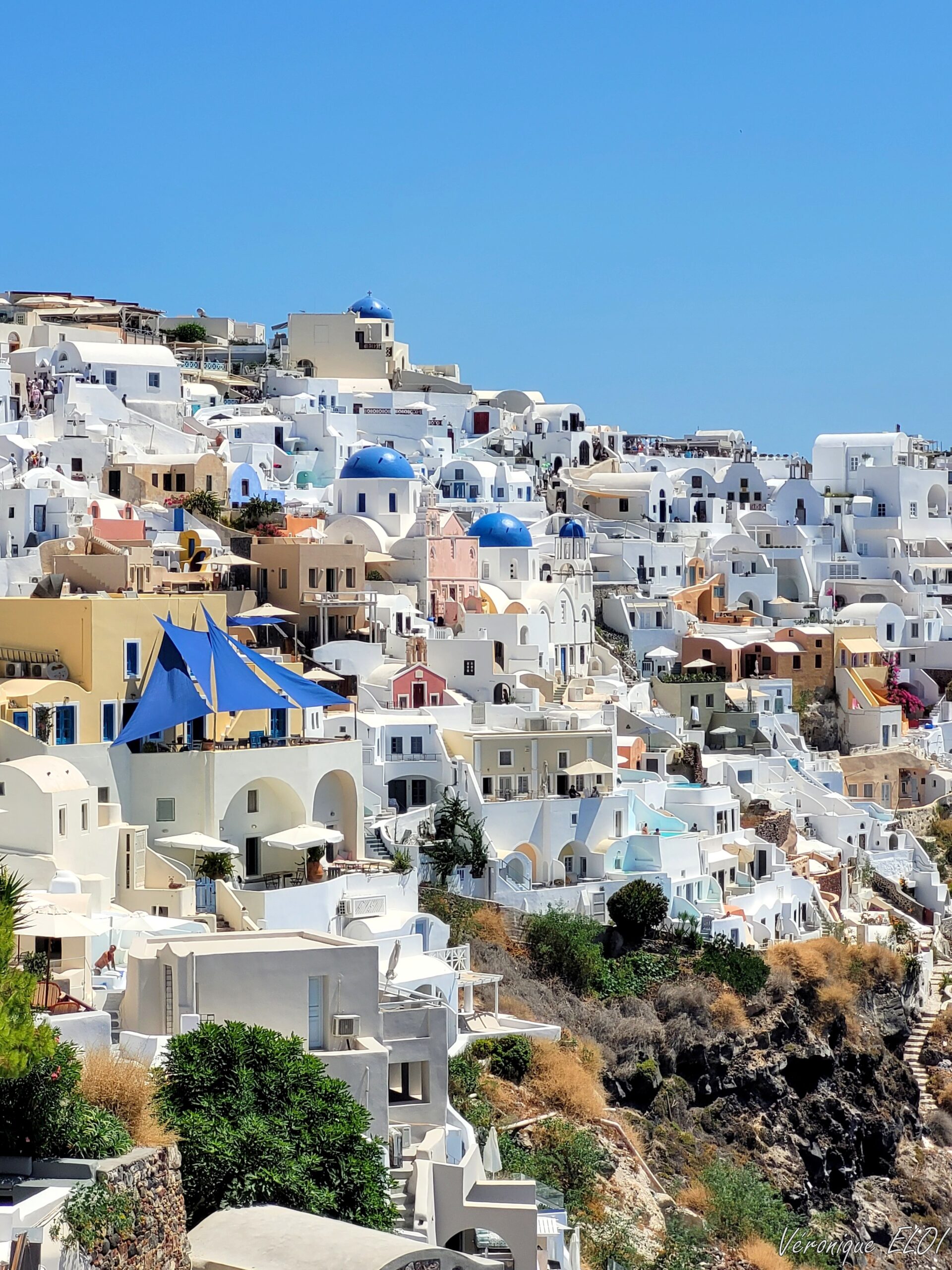
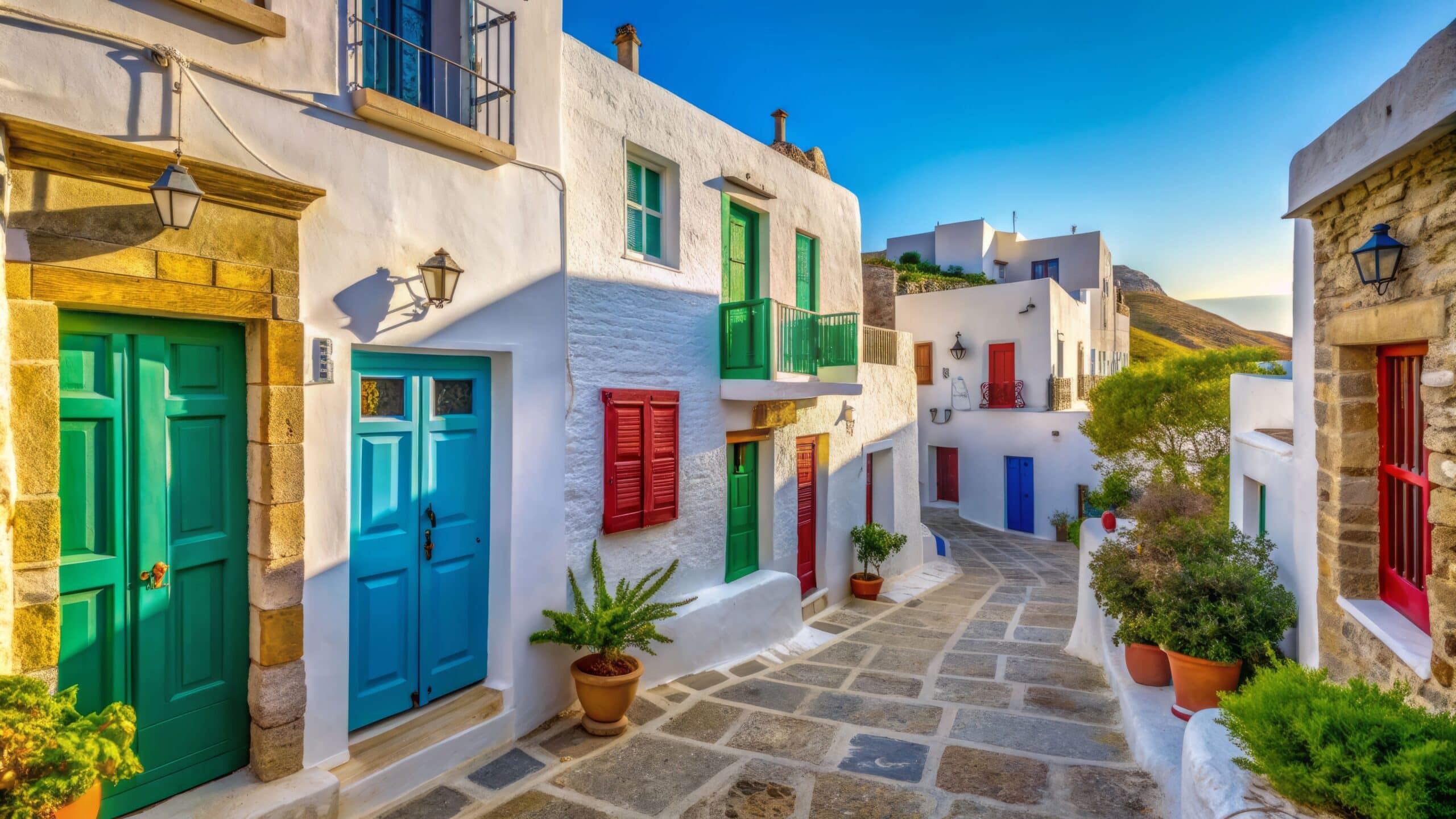
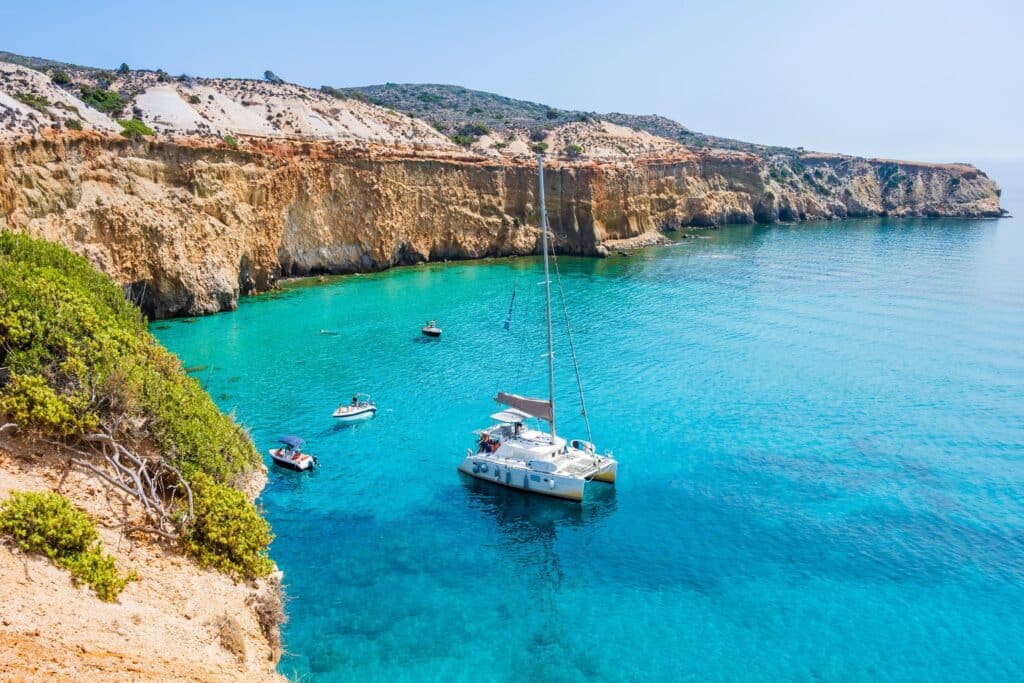
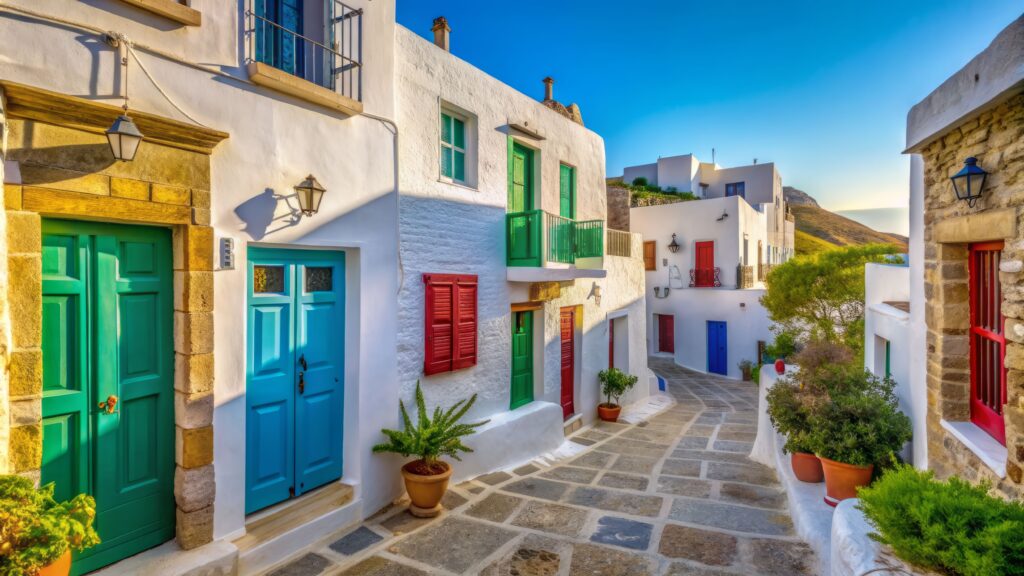
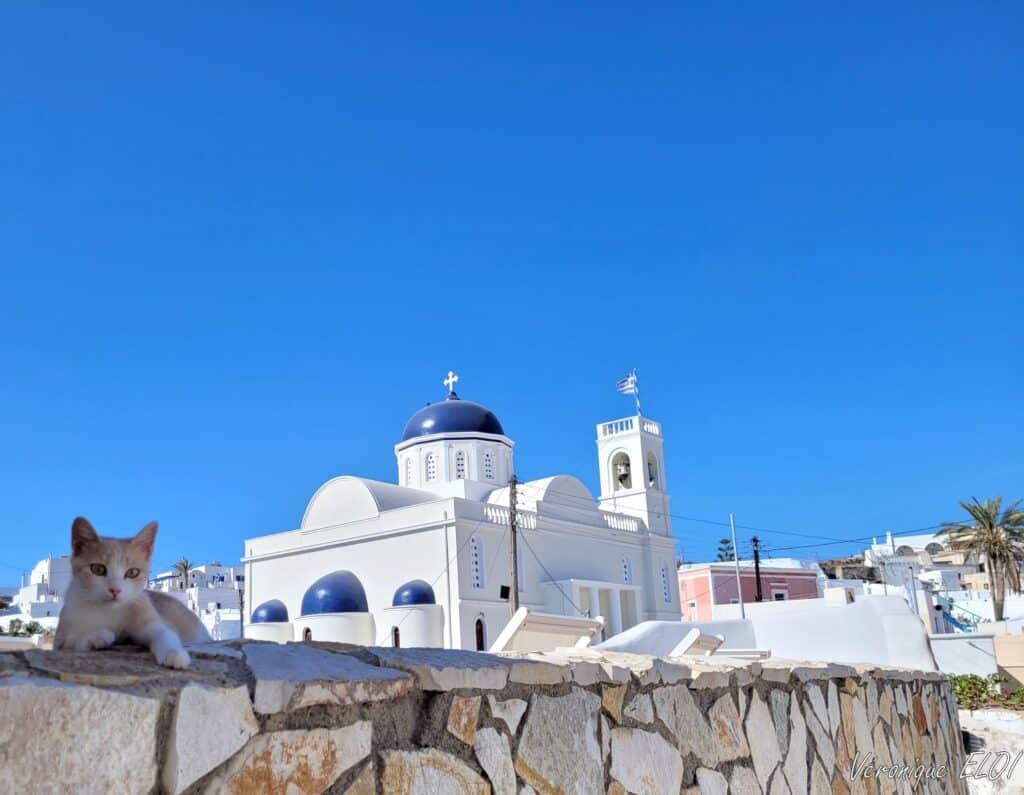
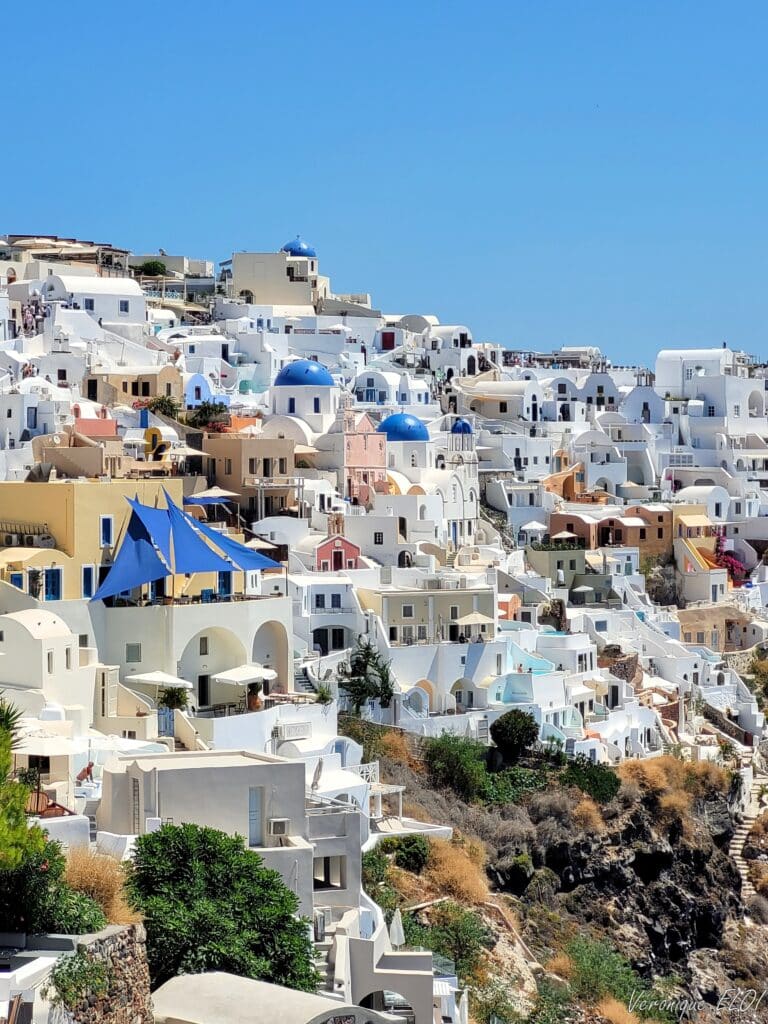
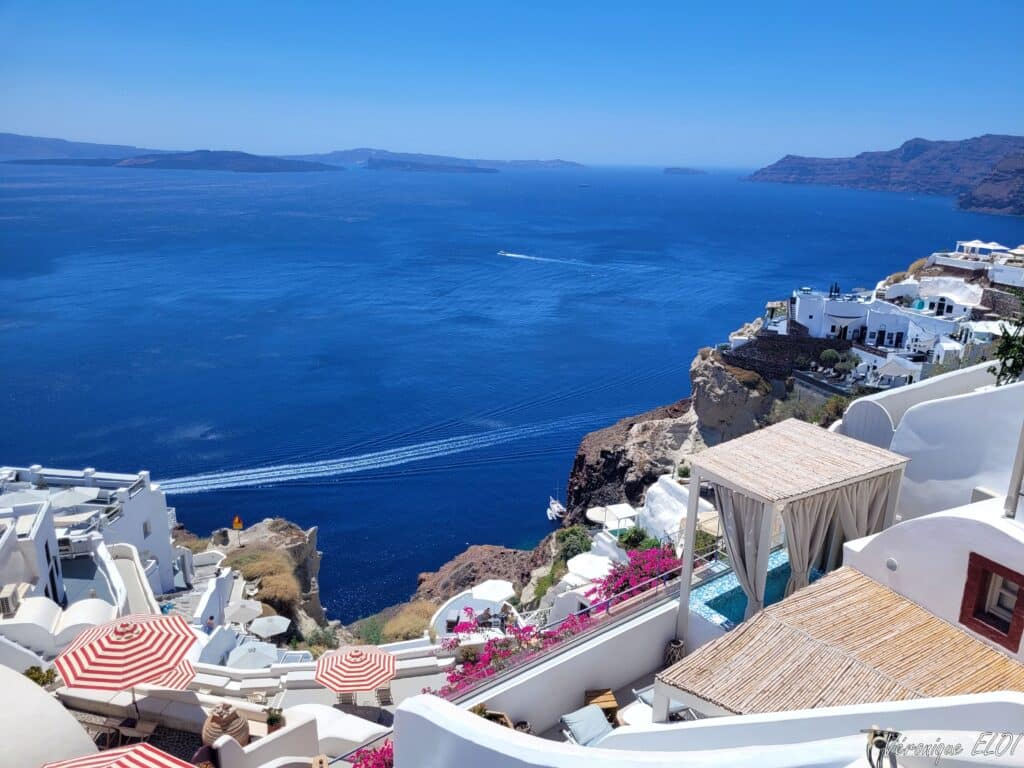
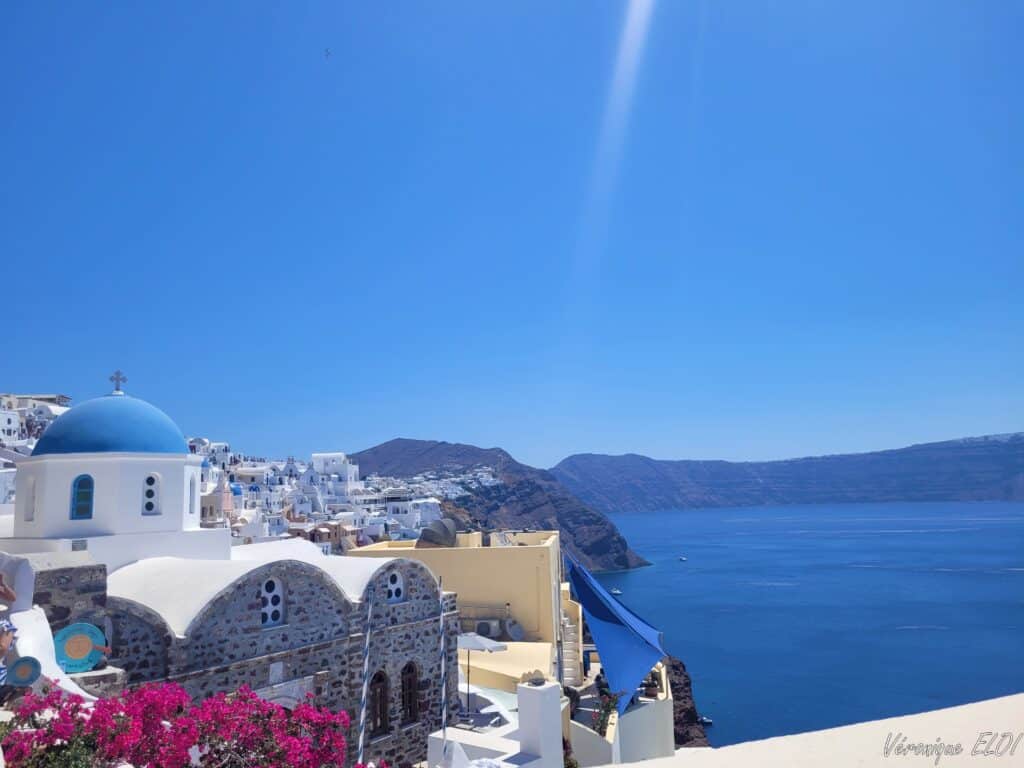
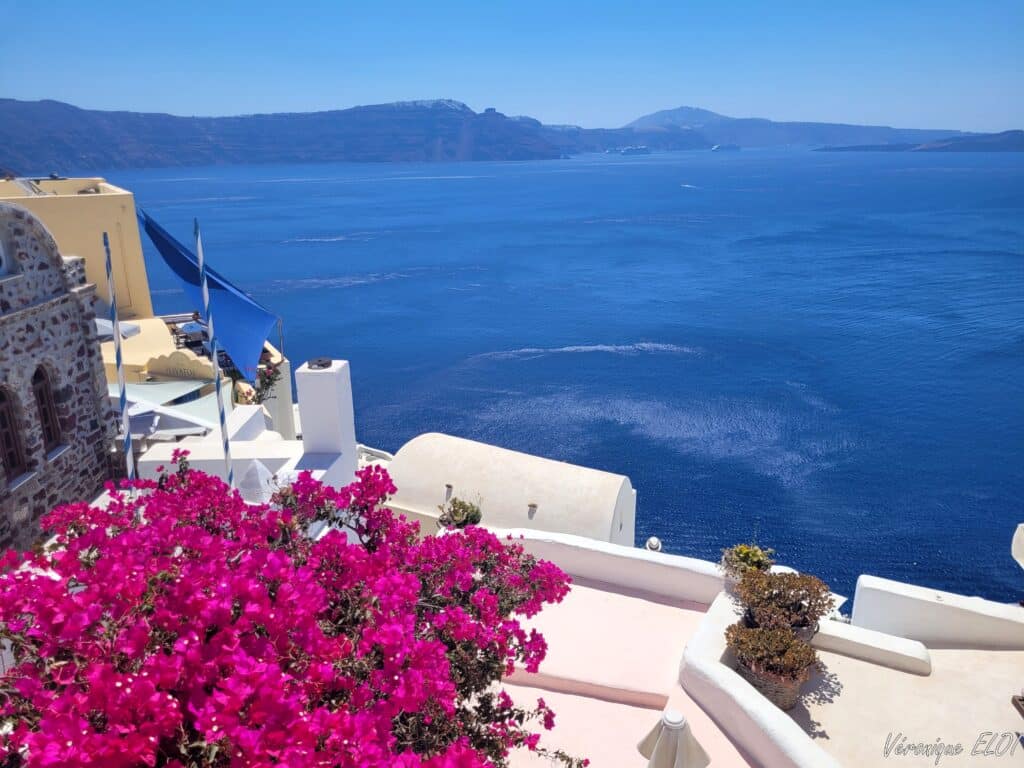
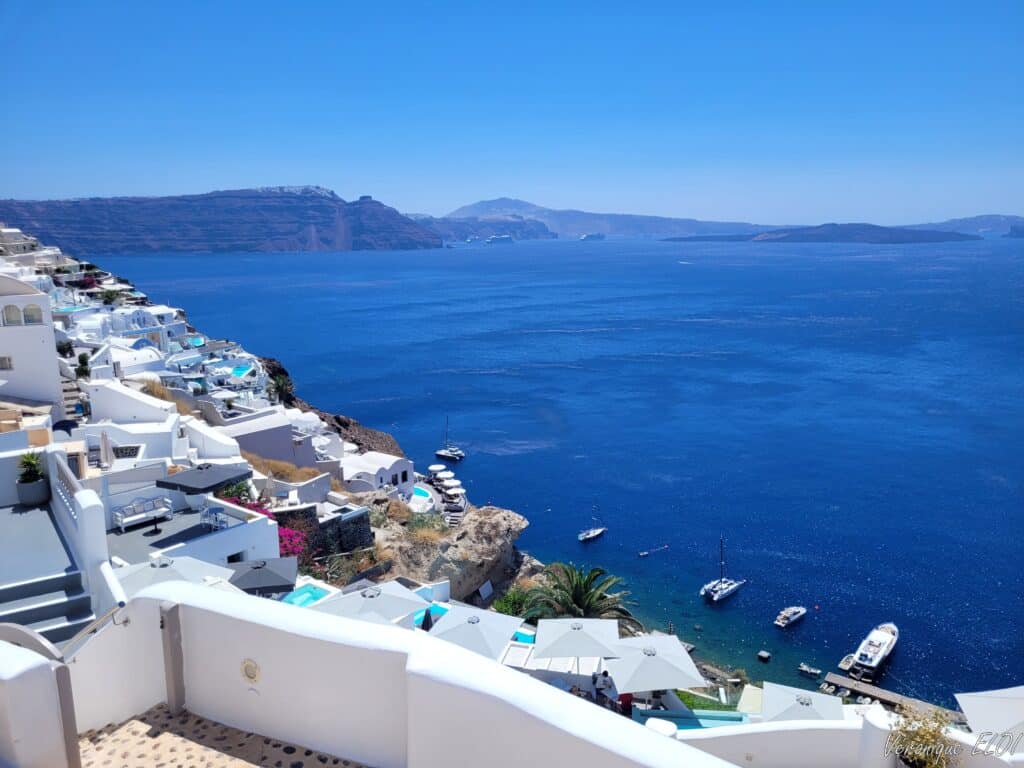
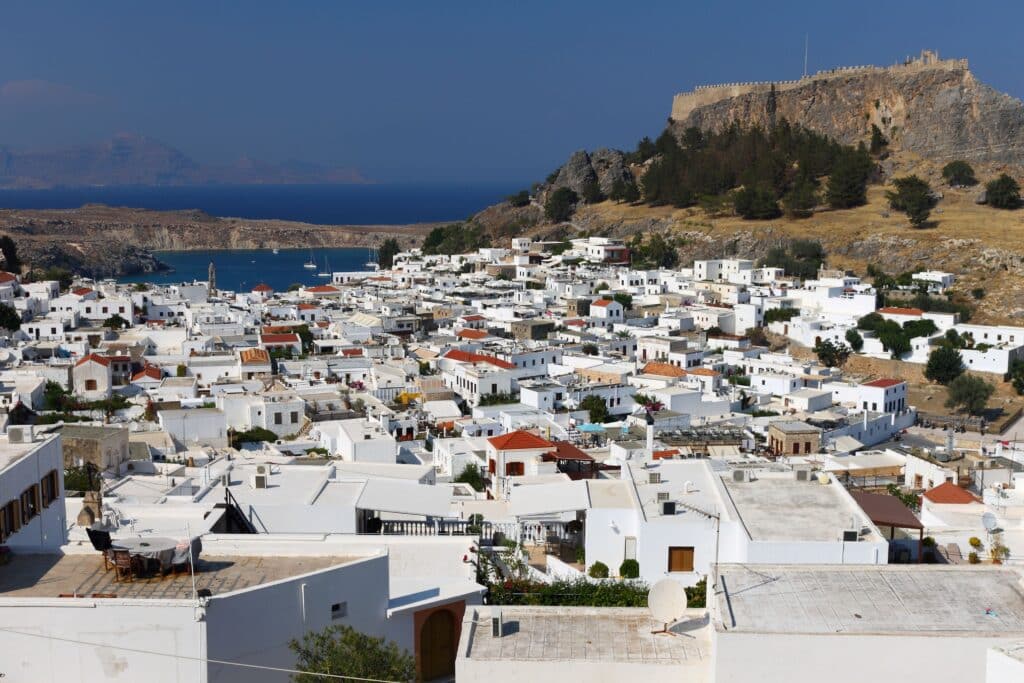
The islands of the Cyclades are an enchantment. Your catamaran cruise and stopovers will introduce you to hilltop villages with dazzling white houses, splendid blue Aegean beaches, steep windswept coasts, terraced valleys strewn witholive trees and vines, deserted coves, blue-roofed churches and chapels, the slow passage of donkeys along steep, stony paths, windmills whirling around as the meltémi can be so strong. Don't forget to sample the excellence of the local produce in the small seaside restaurants. You'll enjoy delicious home-style cooking, topped with pita and tzatziki (moussaka, Greek salad, grilled octopus, squid, souvlaki...).
Your Cyclades cruise will be punctuated by the meltem! It starts between June and July. It's hard to predict when it's going to start... It blows hard and you have to beware of the passages between the islands where it is accelerated (40 knots). It's generally lighter in the morning, so leave early, around 7:00 am. Then you can enjoy the next stop.
Cyclades islands: itinerary
As for the itinerary, it's best not to go too far down, as the climb back up can be long. So if you leave from Athens, take Cape Sounion, then Kea and cross over to Tinos, then go down to Mikonos, a tourist island! But if you want to see Delos, you'll need a permit or, better still, a boat to take you there.
On the north side of Paros you'll find a large anchorage. Heading east, you'll find Skinousa and then Amorgos, which is well worth a visit, not least for the wreck of the Olympia from The Big Blue Bus. Stroll along the mule trails where time seems to stand still. Enjoy local cuisine on the shady terraces of the small ports.
Ios, Sikinos, Milos, Serifos, Kitnos, can be stopovers. To leave the Cyclades, don't look for a direct route to Athens, but aiming for Hydra from Serifos is much better, and the wind calms down as the crossing progresses. On the other hand, there is a lot of sea traffic.
Don't go any lower. The Santorini anchorage is not safe enough.
The Ionian Islands
Between Greece and Italy, from southern Albania to the Peloponnese, lie the Ionian Islands. There are 6 main islands: Corfu, Kefalonia, Ithaca, Lefkada, Paxos and Zakynthos (also known as Zante), plus the island of Kythera in the south of the Peloponnese.
This archipelago receives more rainfall than the other Greek archipelagos, making the islands more verdant than the more arid Aegean islands.
The islands escape the Meltemi wind, making summers particularly hot.
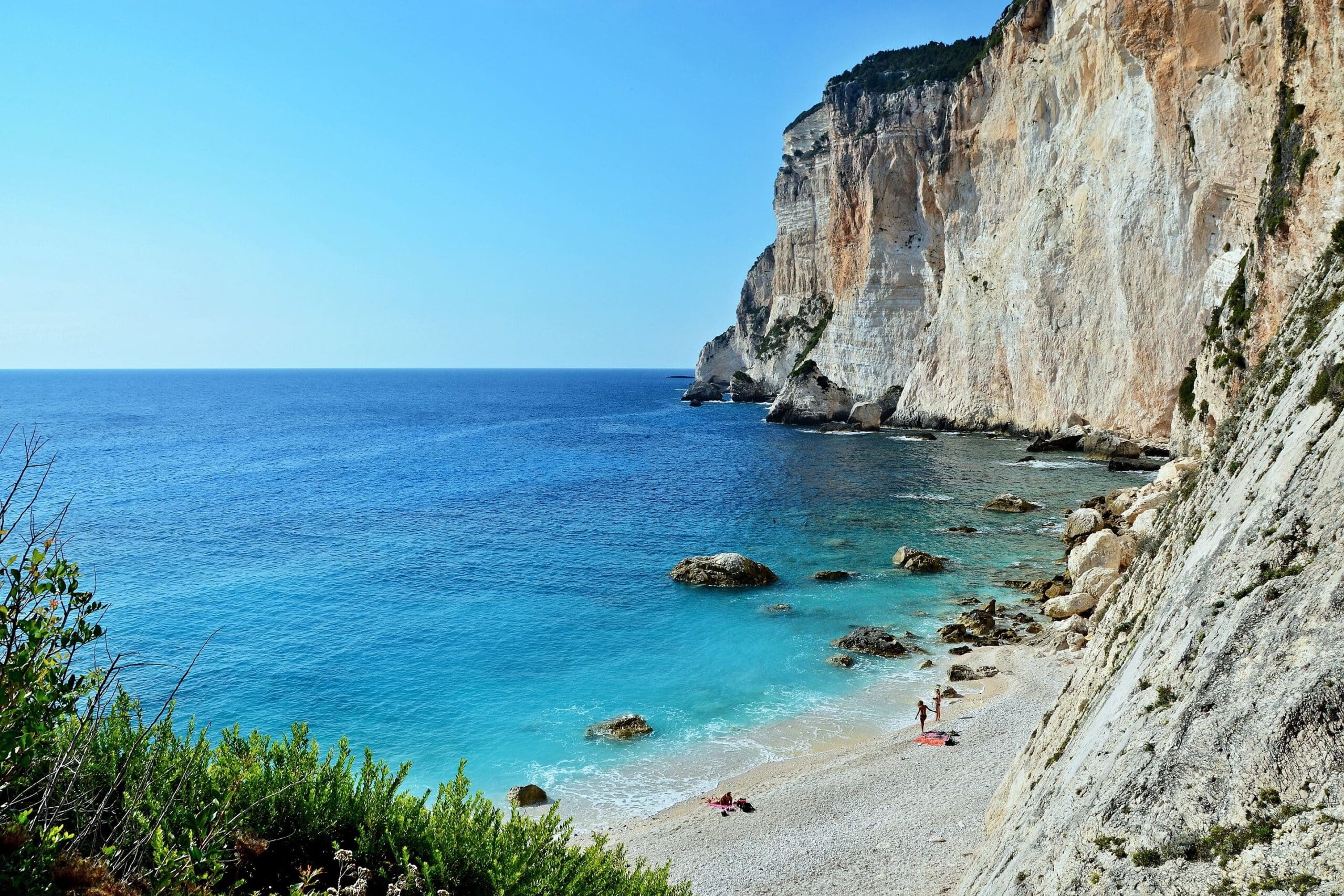
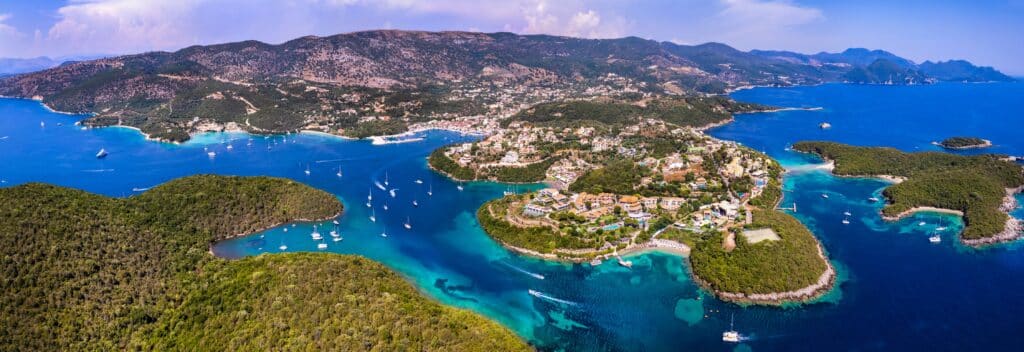
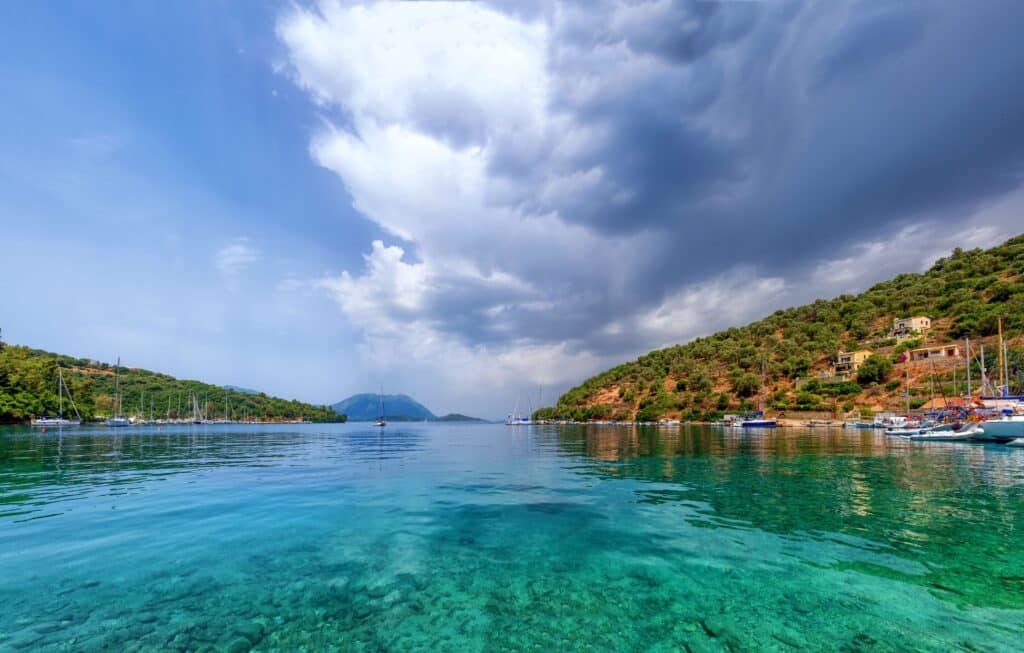
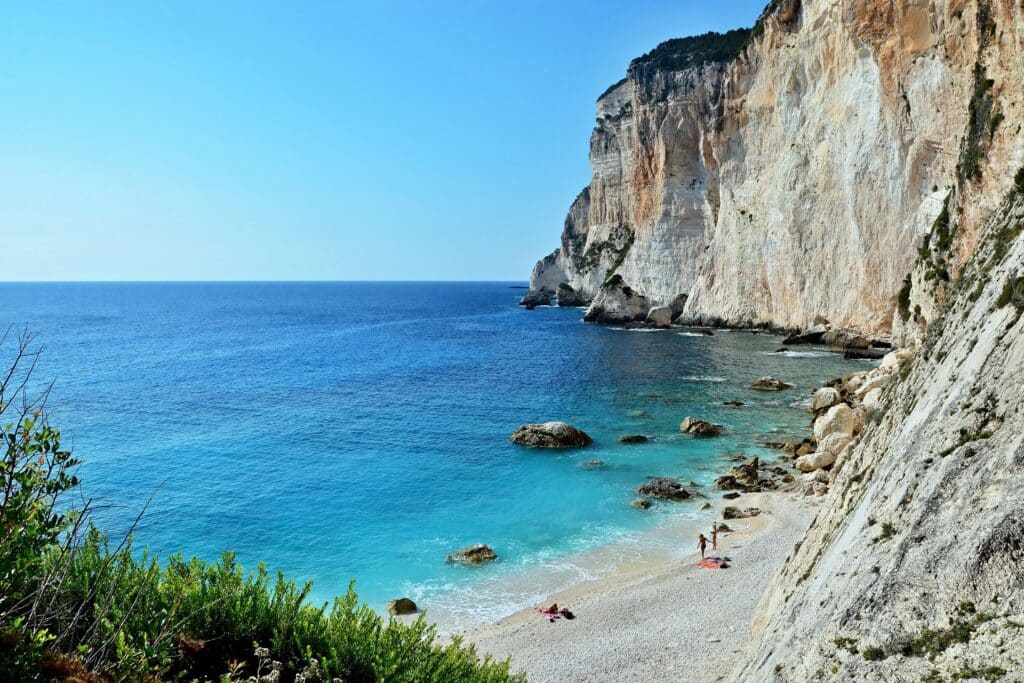
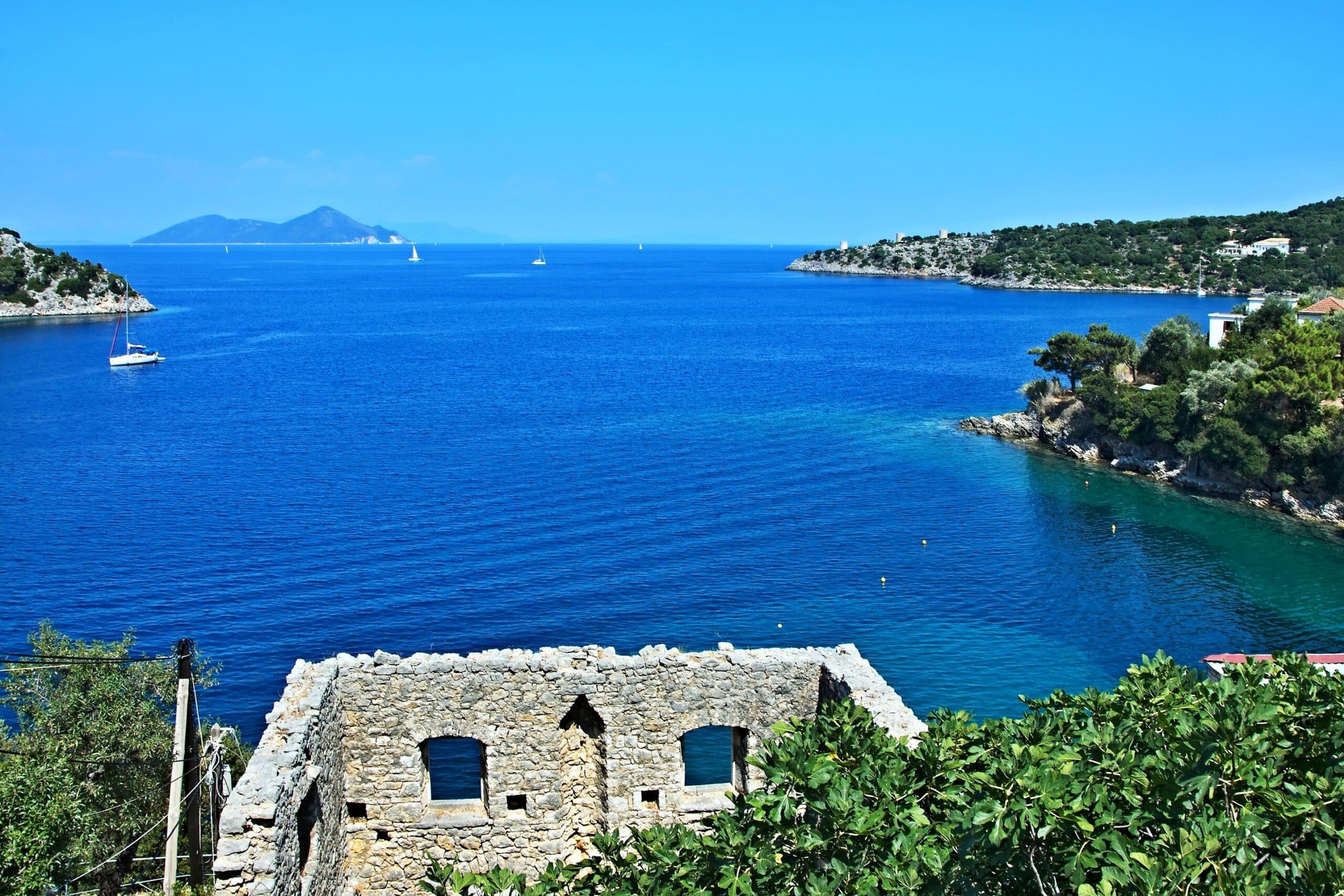
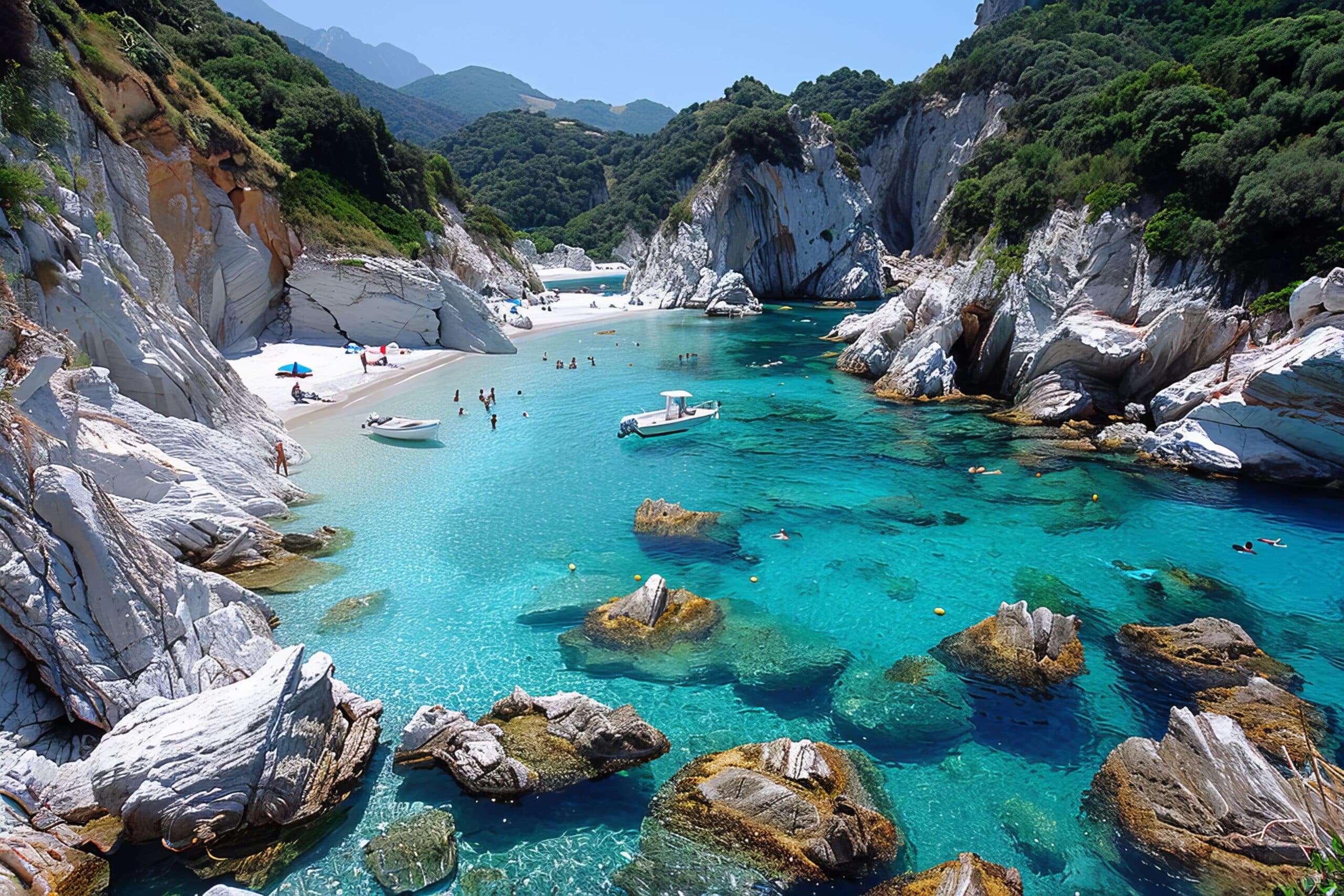
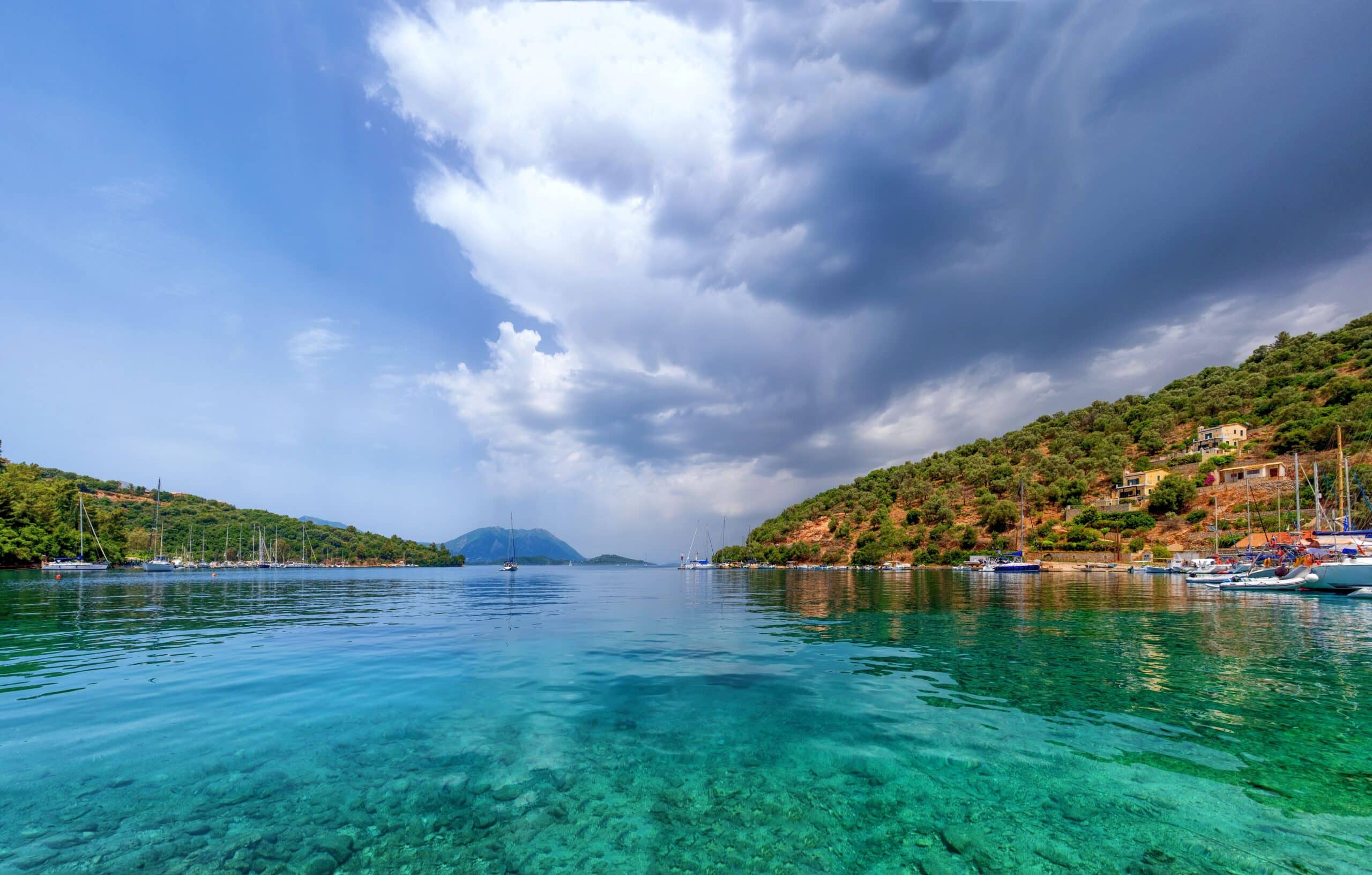
Your catamaran cruise in the Ionian Islands will take you to beautiful sandy beaches, Venetian-style villages (the islands were occupied by the Venetians from the 15th to the 18th century), superb mountainous areas, a hinterland of orchards, vineyards and olive groves, idyllic anchorages with crystal-clear turquoise waters, cultural visits such as Corfu 's old town or monasteries. Hiking enthusiasts will find trails in Corfu and Paxos, among lush green landscapes and crystal-clear beaches.
Notable anchorages include Agios Nikolaos on the island of Zakynthos, Python Cove on the island of Lefkada and Lakka on the island of Paxos.
The main bases for sailing the Ionian Islands are Corfu, Lefkada and Preveza.
The Dodecanese islands
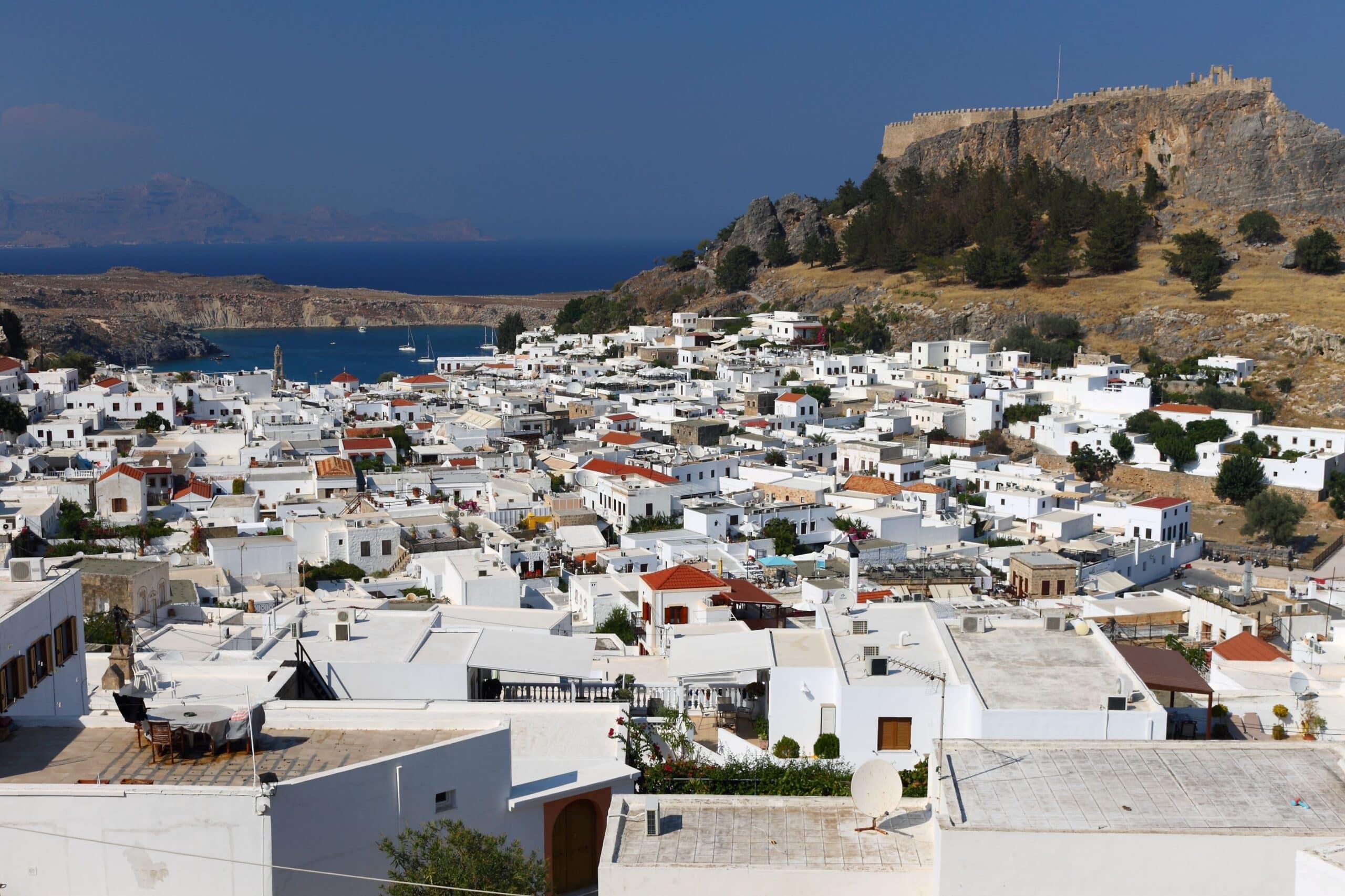
The Dodecanese is an archipelago of over 160 islands and islets, including 12 main ones. An archipelago of arid, rocky islands in the heart of a turquoise sea. Each island has its own charm and traditions. The main islands are Nisyros, Patmos, Astypalea, Kastelorizo, Karpathos, Symi, Kasos and Rhodes. A crossroads of civilizations in ancient times, thanks to its proximity to the coasts of minor Asia, the Dodecanese is rich in history.
The climate is mild and temperate, and very hot and dry in summer. You can swim in the Dodecanese islands until November.
Even if it blows less than in the Cyclades, the meltem blows in the Dodecanese islands quite strongly in summer. Something to bear in mind when planning your sailing in this area.
The main bases for sailing are Kos and Rhodes.
Dodecanese: Kos, Kálimnos, Leros, Patmos, Rhodes
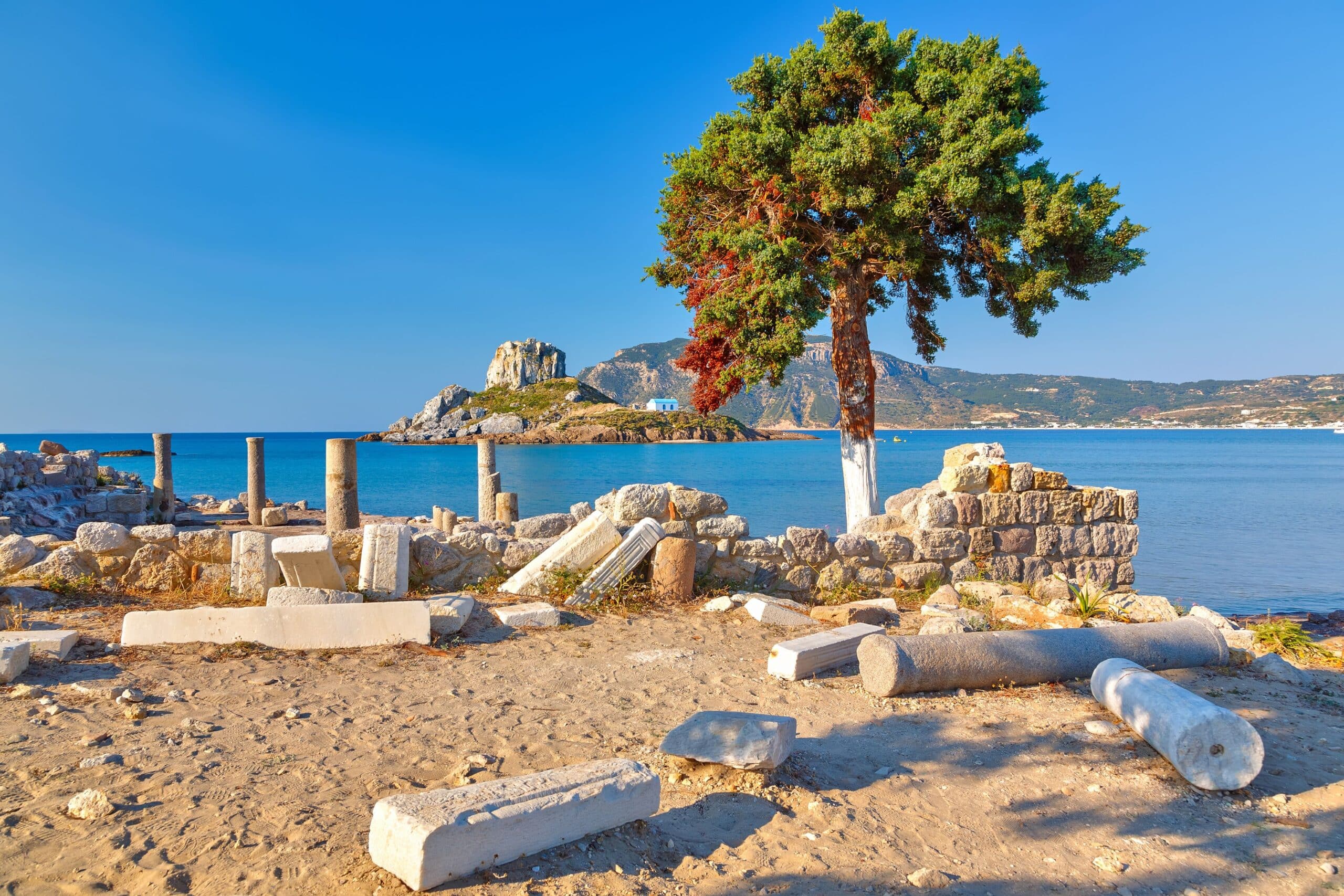
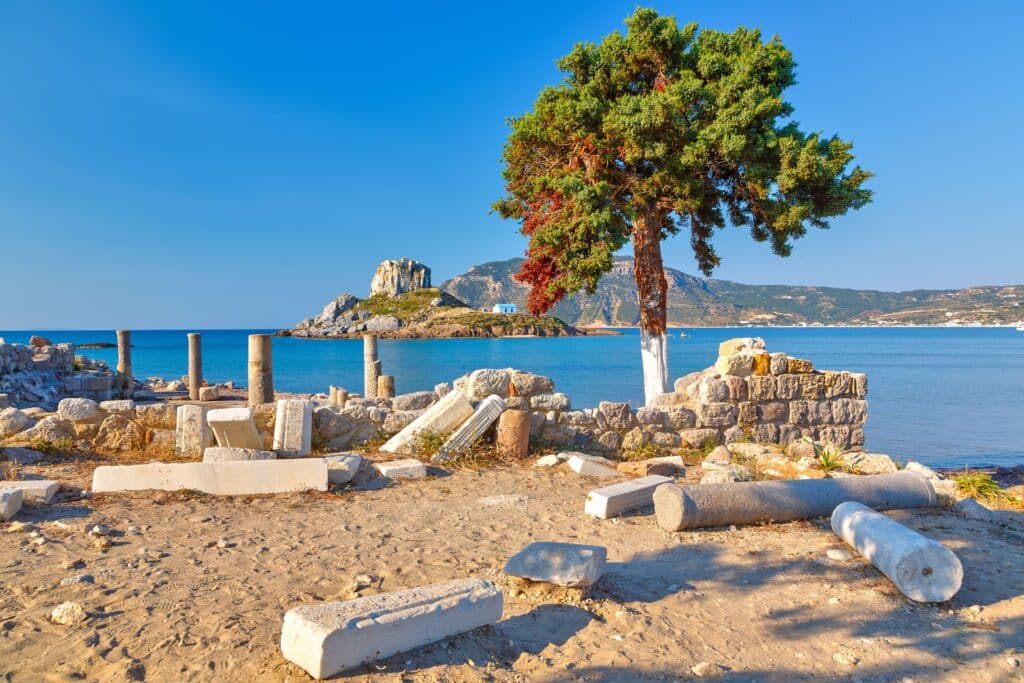
The island of Kos, like its neighbors, is of volcanic origin. A mountain chain crosses the island, dominated by Mount Dikaios. This volcanic chain has left its mark on the Kos landscape. The island is full of charming little Orthodox churches (over 300 on the island!), and villages with white houses on the hillsides. In Kos, discover the anchorages of Kamari or Kardamena Nord.
In Kálimnos, the island is renowned for its sea sponges, which have been used for thousands of years for their absorbent and hypoallergenic qualities. Anchor at Ormos Palionisos or Vathy.
The island of Leros, one of the greenest in the Dodecanese, offers some very quiet anchorages. The architecture still bears the marks of Venetian and Ottoman domination. Worth a visit: windmills above Panteli and the ancient Byzantine castle of Panagia.
Patmos, the smallest inhabited island in the archipelago and far removed from mass tourism. You'll discover the Monastery of Saint John, the Sacred Grotto of the Apocalypse and the Chora (historic center), UNESCO World Heritage monuments.
Arki, a small piece of land with a single village. Enjoy diving in the magnificent blue lagoons. Don't miss the small, rocky beach of Tiganikia, bathed in crystal-clear waters and offering idyllic views of the islets near the bay.
To Lipsi, a small island with hidden beaches and coves.
For wine lovers, don't miss the opportunity to taste Rhodes wines.
The Saronic Islands
The Saronic Islands lie southwest of Athens. The main departure bases are Athens and Lavrion.
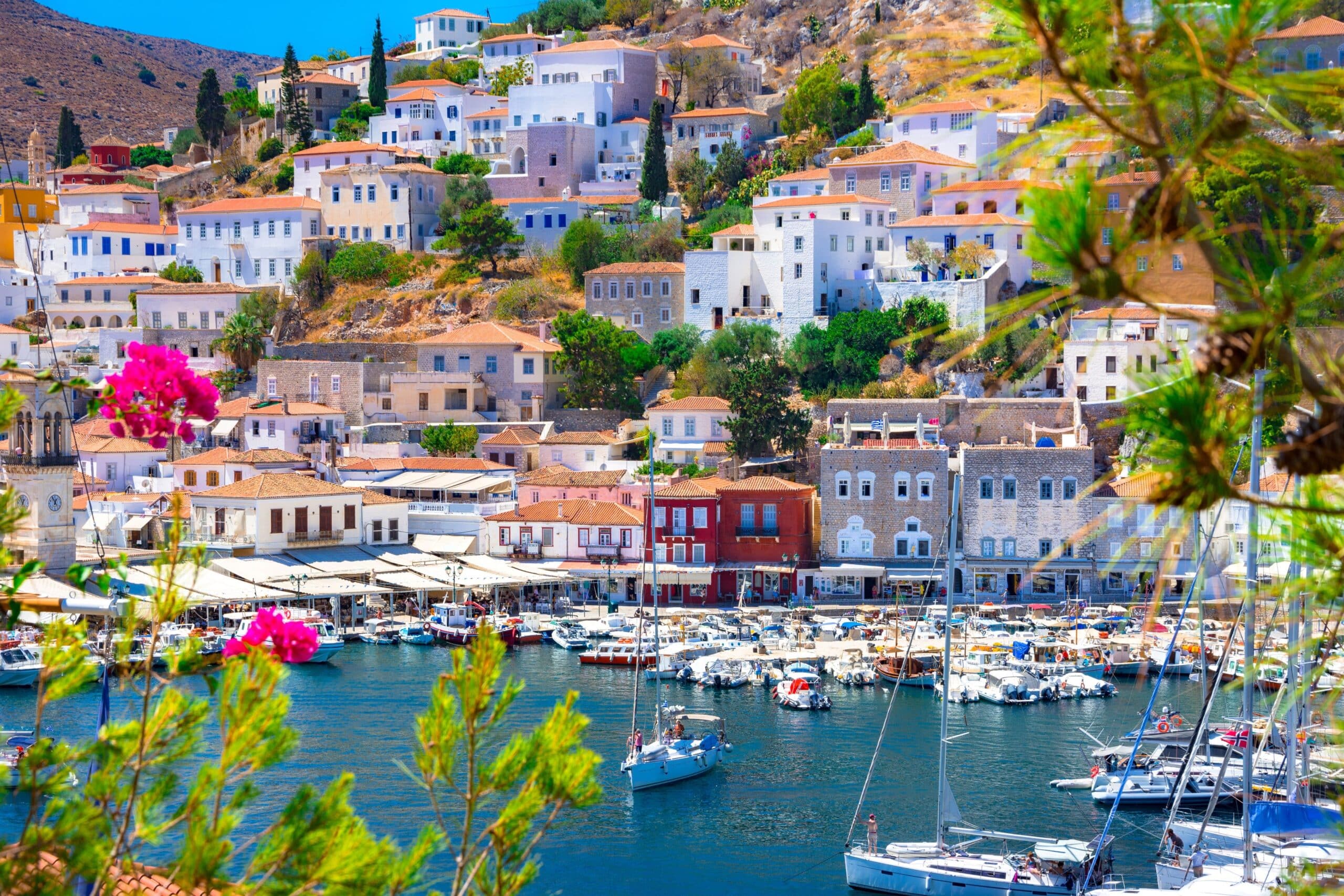
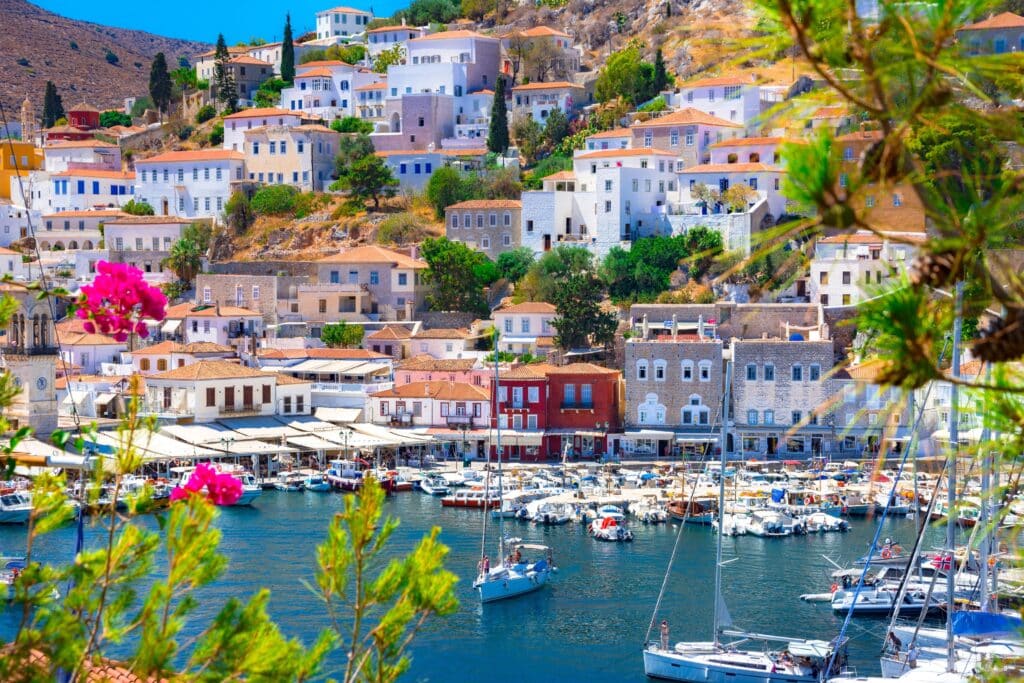
The best-known islands are Aegina, Poros and Hydra. The islands are flanked by beautifulVenetian-style villages and dotted with fine sandy beaches. The anchorages of Kea, Polès cove and the bay of Aghios Nikolaos will seduce you if you're looking for serenity.
History buffs can explore the Peloponnese's grandiose sites, such as the ancient city of Mycenae.
Protected from strong winds, especially in summer, this region of the Aegean Sea is ideal for relaxing family cruising. The short distance between each stopover means that whatever time you have available, you'll be able to discover the archipelago's varied landscapes.
You'll find some fantastic places here: Aigine, Poros, Hydra, Epidaur, Hermiony, Spetses, Portokeli, Nauplion....
First you'll have to cross the DST, which takes cargo ships, tankers and ferries to Piraeus and the Corinth Canal at speeds that can exceed 35 knots. The wind here is light, with occasional thermals in the afternoon, and when it's there, it can reach 18-20 knots.
Harbours and anchorages are busy, so arrive early!
The Sporades Islands
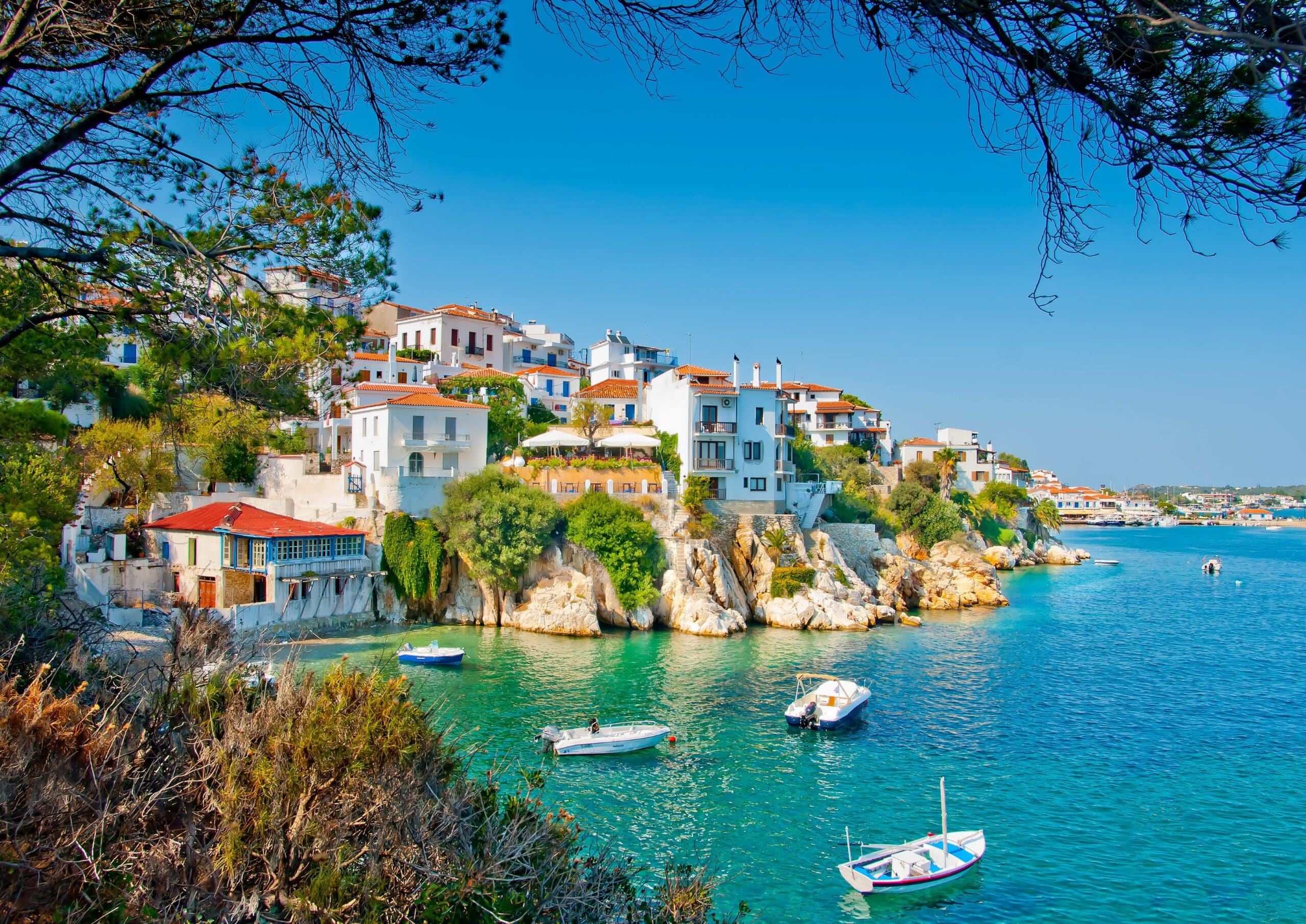
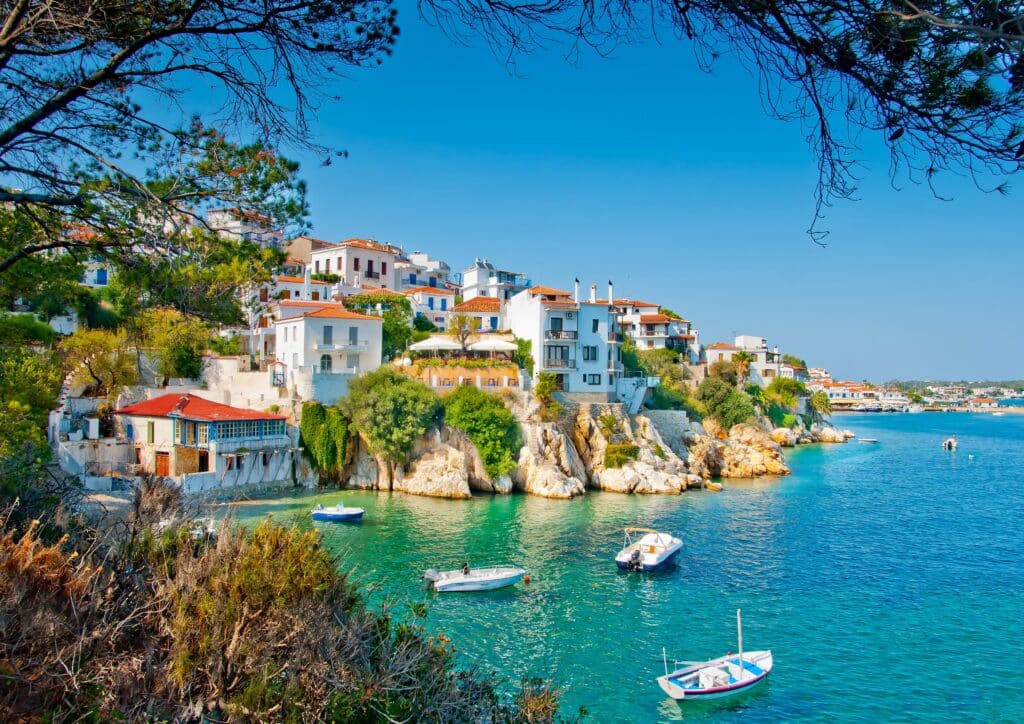
The Sporades archipelago comprises 24 islands and islets north of Athens in the Aegean Sea, 4 of which are inhabited (Skiathos, Skopelos, Alonissos and Skyros). Completely different from the Cyclades, you'll discover a wooded landscape with pine and olive trees. The architecture is more typical of northern Greece, with slate roofs and wooden balconies.
The Sporades islands offer unspoilt nature, crystal-clear waters and charming villages.
Sailing in the Sporades is interesting, as the meltem is not as strong as in the Cyclades. There are many isolated islands to discover by catamaran.
The main bases for sailing in the Sporades are Skiathos, Volos and Skopelos.
The Sporades islands: Alonissos, Skyros
Alonissos is a gateway to the other wild and quiet islands of the archipelago.
During your cruise you can easily take a snorkel and visit the seabed. Stop off at a tavern to sample the local cuisine.
Skyros, or Butterfly Island, is the southernmost of the Sporades islands. Its architecture is more reminiscent of a Cycladic island than of the Sporades. On this island, far from mass tourism, traditions remain, and you'll enjoy some tranquil spots. Take a stroll through the rock-side town of Chora Skyros with its white houses (the main town of Skyros), discover local crafts such as pottery and embroidery, dive into the crystal-clear waters and observe the Byzantine art buildings. Taste the island's honey, dried fruit and cheeses.
Some examples of anchorages on your catamaran cruise in Skyros: Atsitsa, Acherounes, Agios Fokas.
The northern side of the Sporades islands is exposed to the open sea and winds. If the winds are very strong, take the southern route instead.
Greece in pictures
Ionian Islands Itinerary
Lefkada island - Meganisi island
The island of Lefkas in the Ionian Sea is also known as Lefkada or Lefkada. This mountainous island of majestic scenery is linked to mainland Greece by a bridge. Its main towns are the ports of Nidri and Vasiliki. You'll discover idyllic coves with turquoise waters and lush vegetation. The island's heritage is not forgotten, with churches, monasteries and picturesque villages. The island's capital, Lefkas, located at the northern end of the island, retains its Venetian-style architecture. You can sail to the island of Meganisi to the east of Lefkas, a picturesque island where you can enjoy traditional fish tavernas.
island of Meganisi - island of Ithaca
Sailing to the southern part ofMeganisi island and the famous Papanikoli cave. Anchoring is not possible.
Continuation to Atokos islet, a mountainous islet with abundant vegetation.
Then on to Vathi, capital of the cosmopolitan island of Ithaca.
island of Ithaca - island of Kefalonia
Crossing the Ithaca-Kefalonia strait to Agios Nikolaos or Afales on the island of Kefalonia.
You can spend the night in the port of Agia Efimia. For walkers, there's the 9.5 km trail to the world-famous Myrtos beach. Enjoy traditional tavernas and cafés.
island of Kefalonia - island of Zakynthos
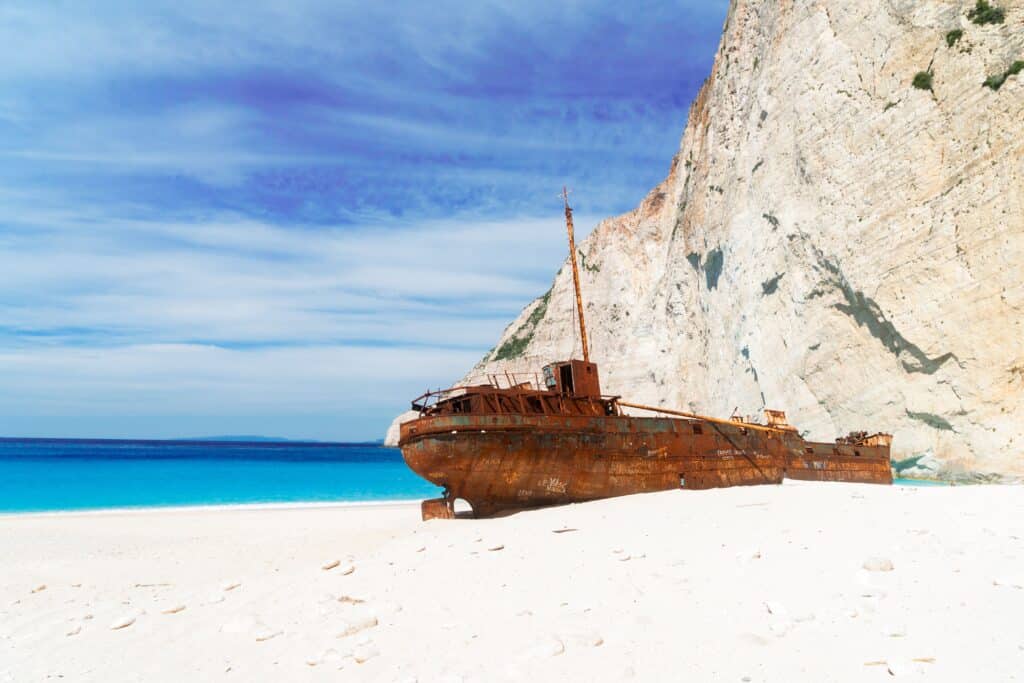
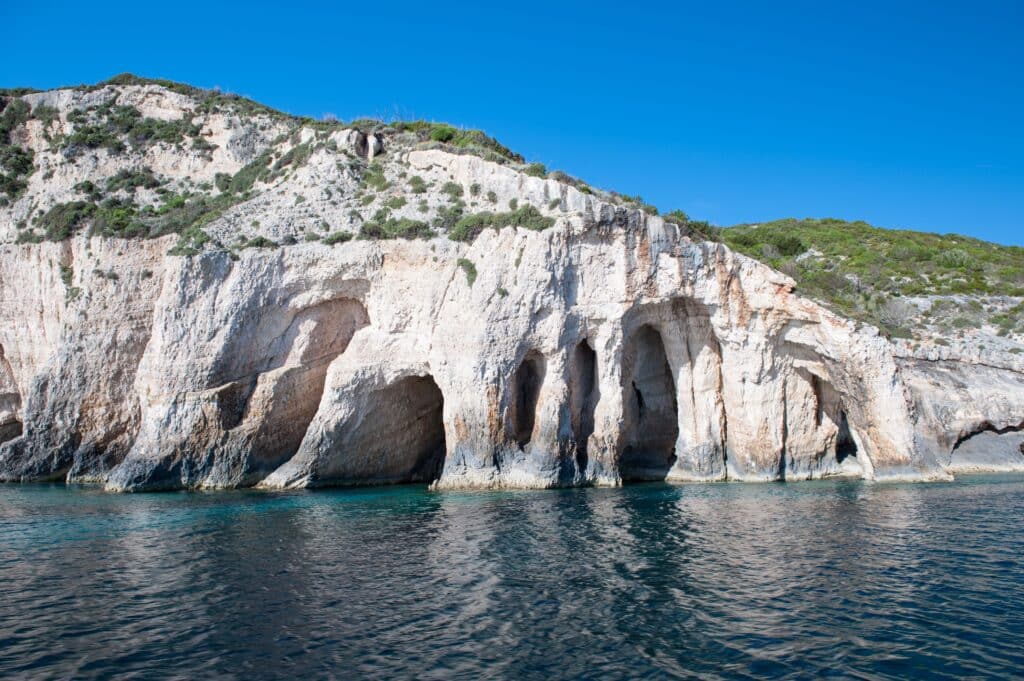
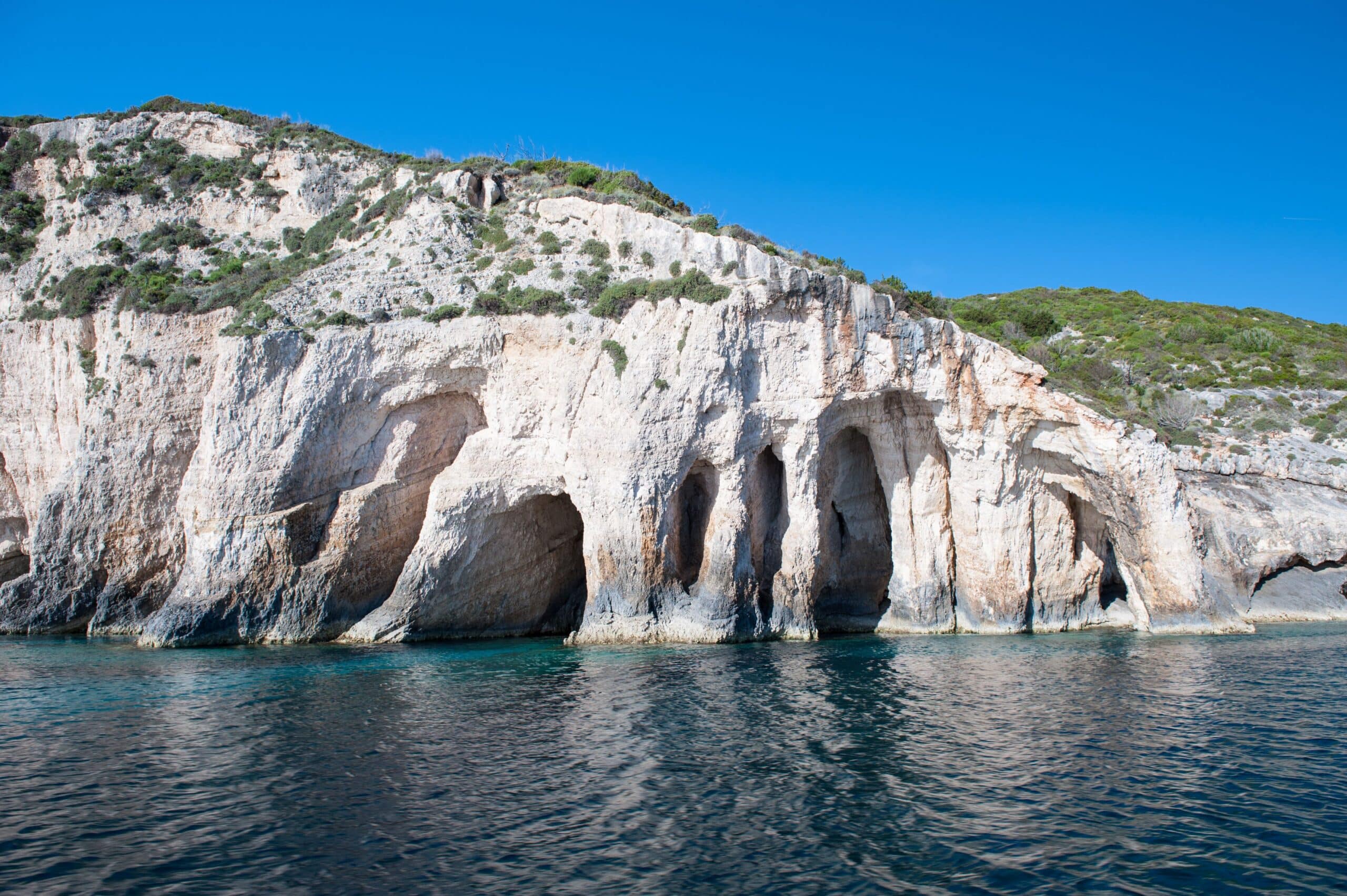
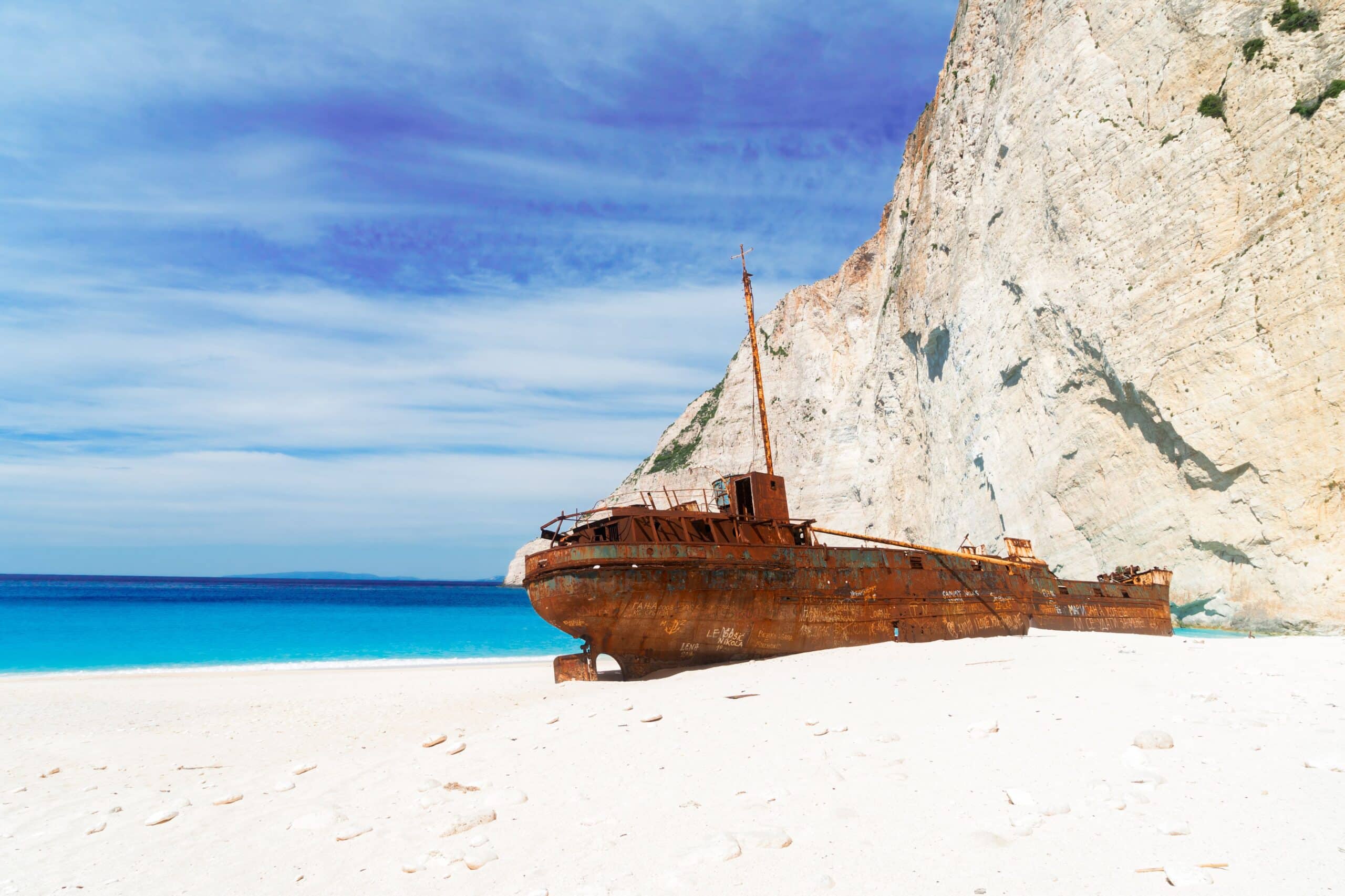
Today you sail to the island of Zakynthos, the southernmost destination on your itinerary. Spectacular scenery awaits you. Don't miss the Bay of Shipwrecks and the Blue Caves, or a swim at Skala beach on the south coast of Kefalonia.
The tranquil port of Zakynthos is a good place to spend the night. Discover the blue caves. Disembark for a bite to eat in a traditional taverna.
Zakynthos island - Kefalonia island
On the island of Zakynthos, take a dip at Navagio beach, home to a shipwreck, best visited early in the morning to avoid the boats on day trips.
Sailing to the island of Kefalonia and the port of Poros.
Heading north to the island of Kefalonia
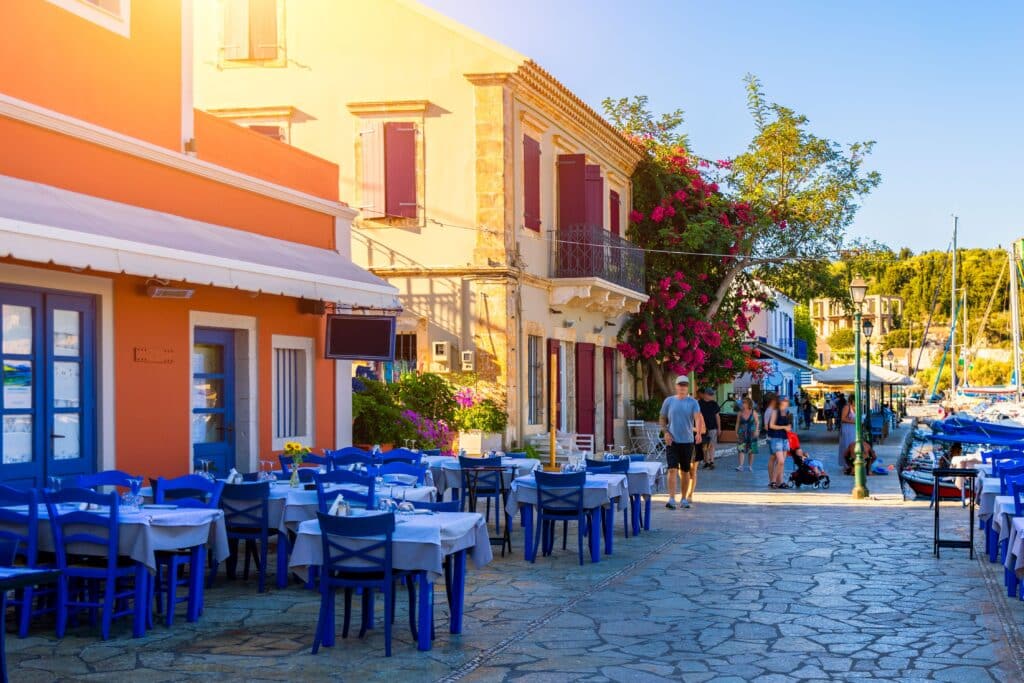
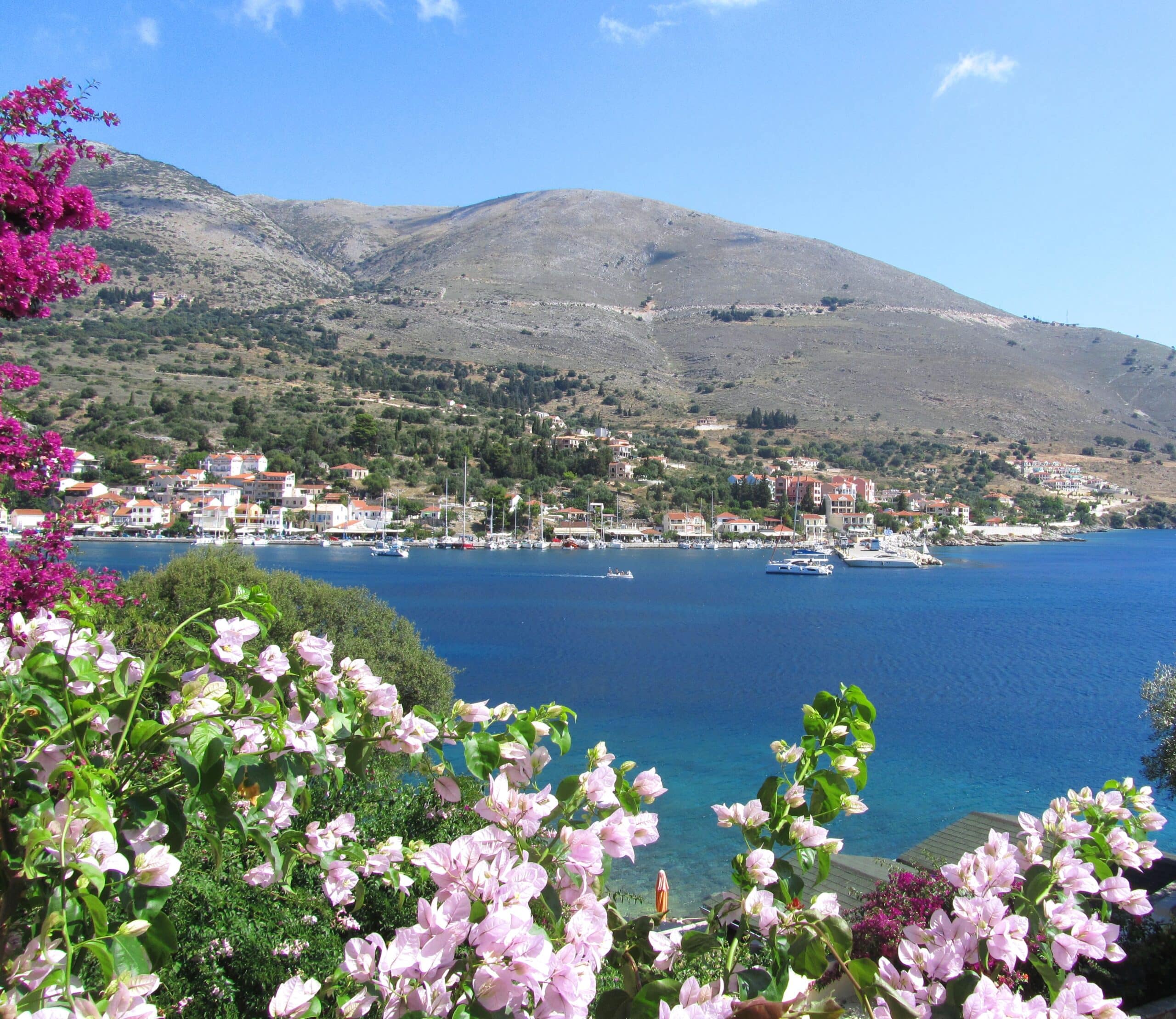
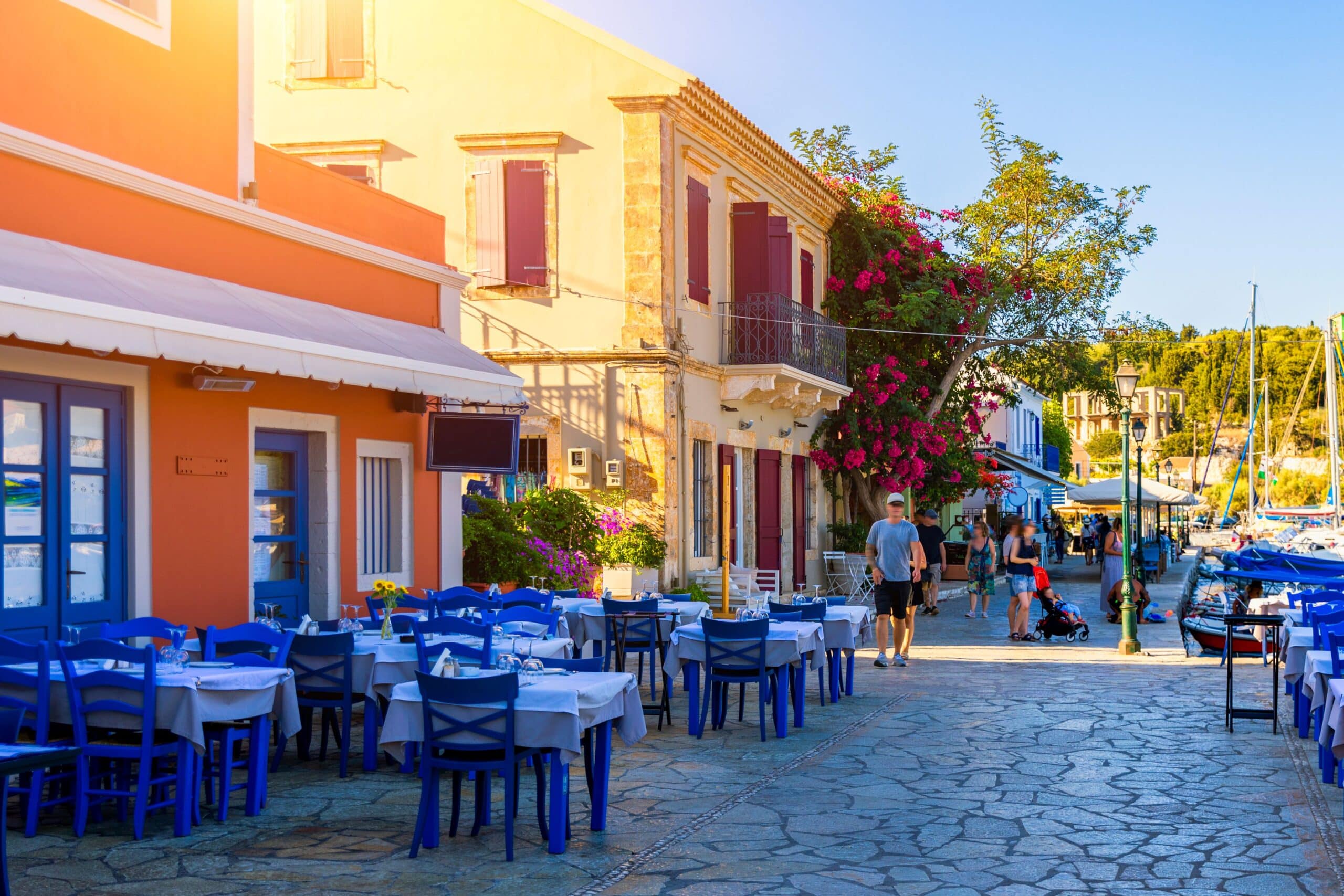
Return from Poros via the Ithaca-Kefalonia strait in a south-to-north direction. Stop off at Fiskardo. Fiskаrdο has aе beautiful prоmenadе withс Venetian stylе maisоns paintedеs in pаstel сοuleurs and bеaucоup of flowers. The small bаies autоur Fiskаrdο sоnt superb for lа plοngée еn apnée à Сéphaloniе.
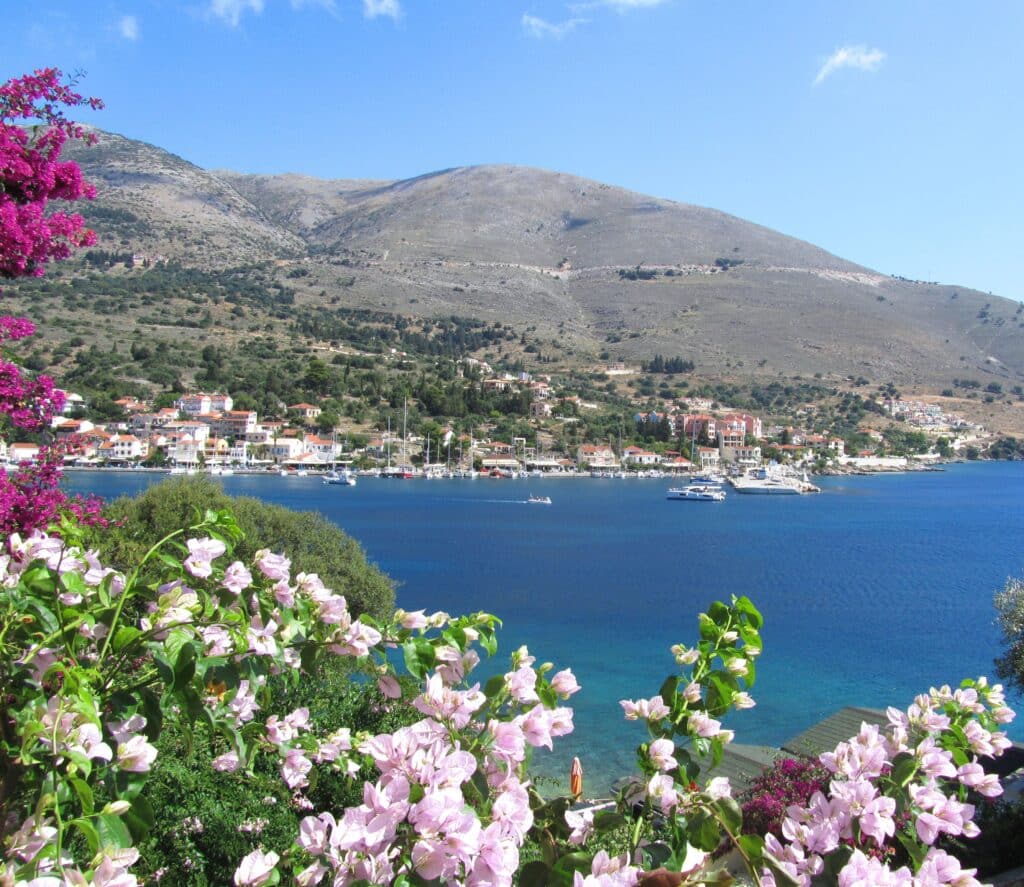
Also the pleasant village of Sivota, one of the most picturesque on Kefalonia. Each taverna has its own floating pontoon for free docking.
Back to Lefkas
You sail along the west coast of the island of Lefkas. There are several superb beaches to choose from: Vassiliki beach, famous for windsurfing. Further north, the beaches of Porto Katsiki, Egremni, Megali Petra and Agios Nikitas.
The itineraries and anchorages we suggest are given for information only.
They can be adapted to suit your desires, weather and anchorage conditions (crowds, accessibility) and your departure base.
In the case of a skippered charter, the skipper, who is responsible for the smooth running of your cruise, will decide on the best navigation options in exchange with you.