
Discover Martinique
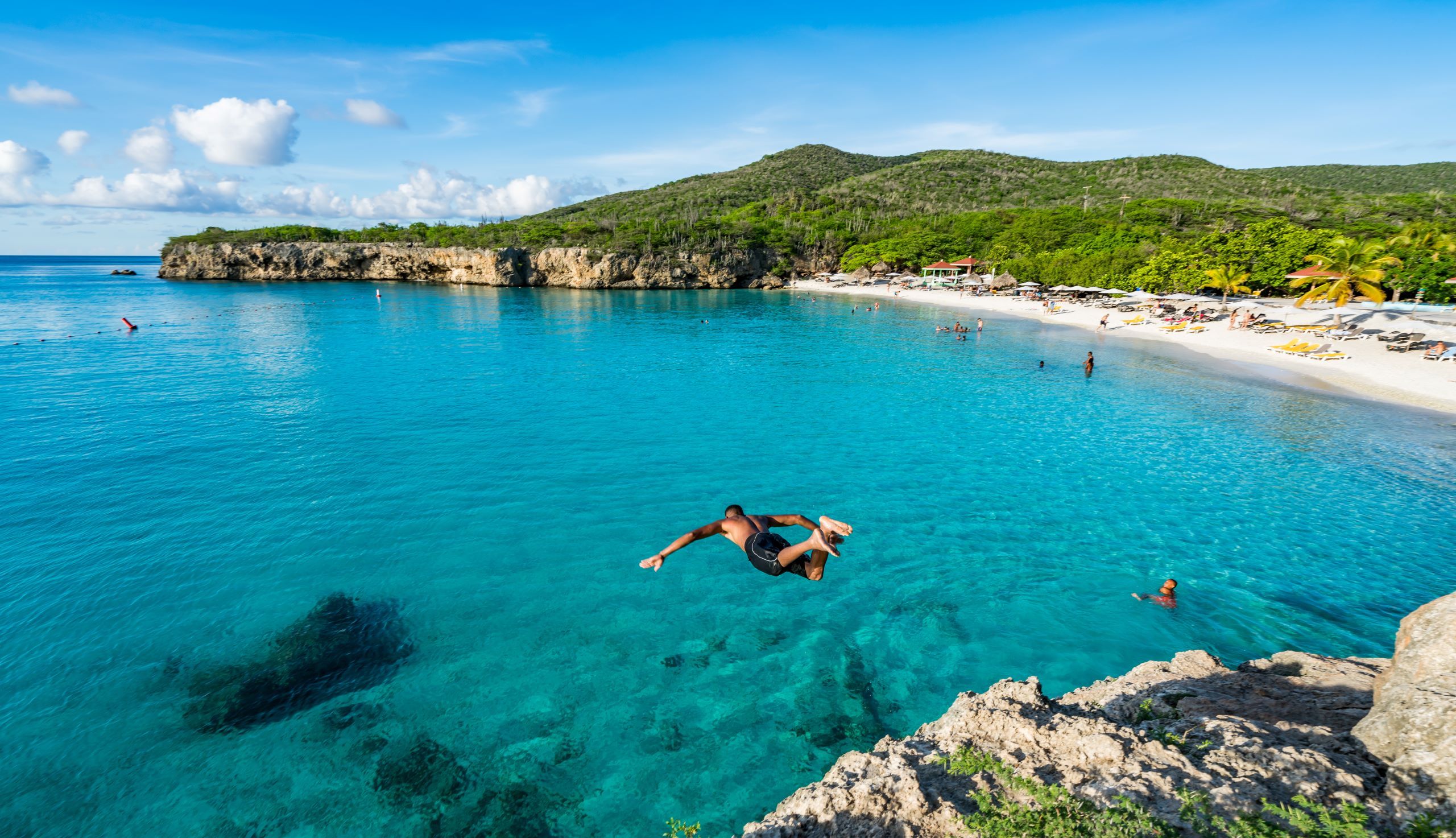
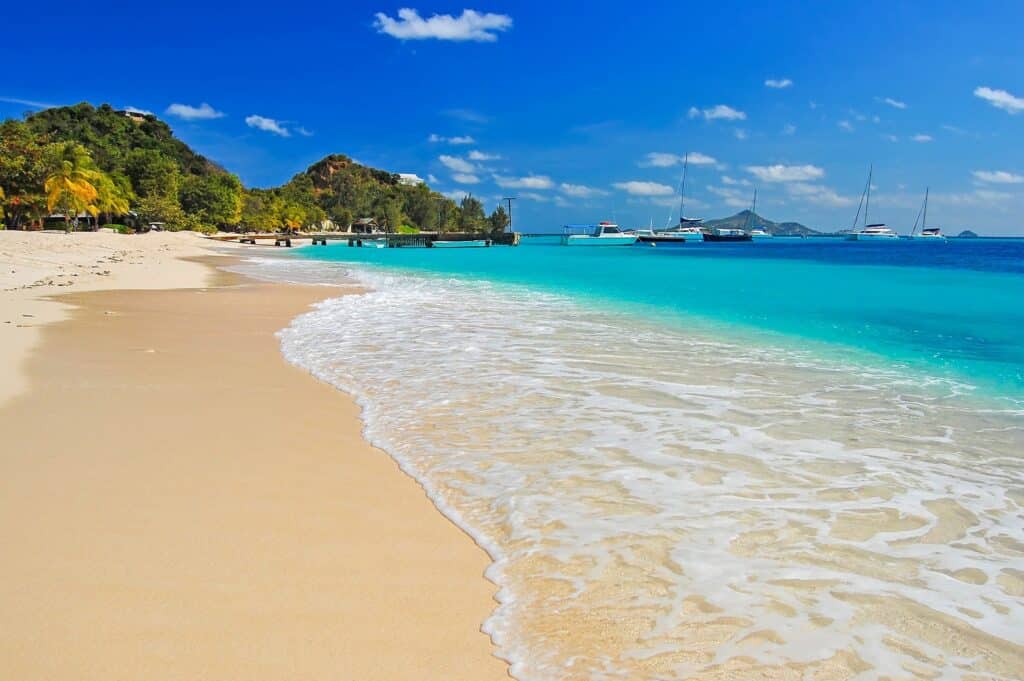
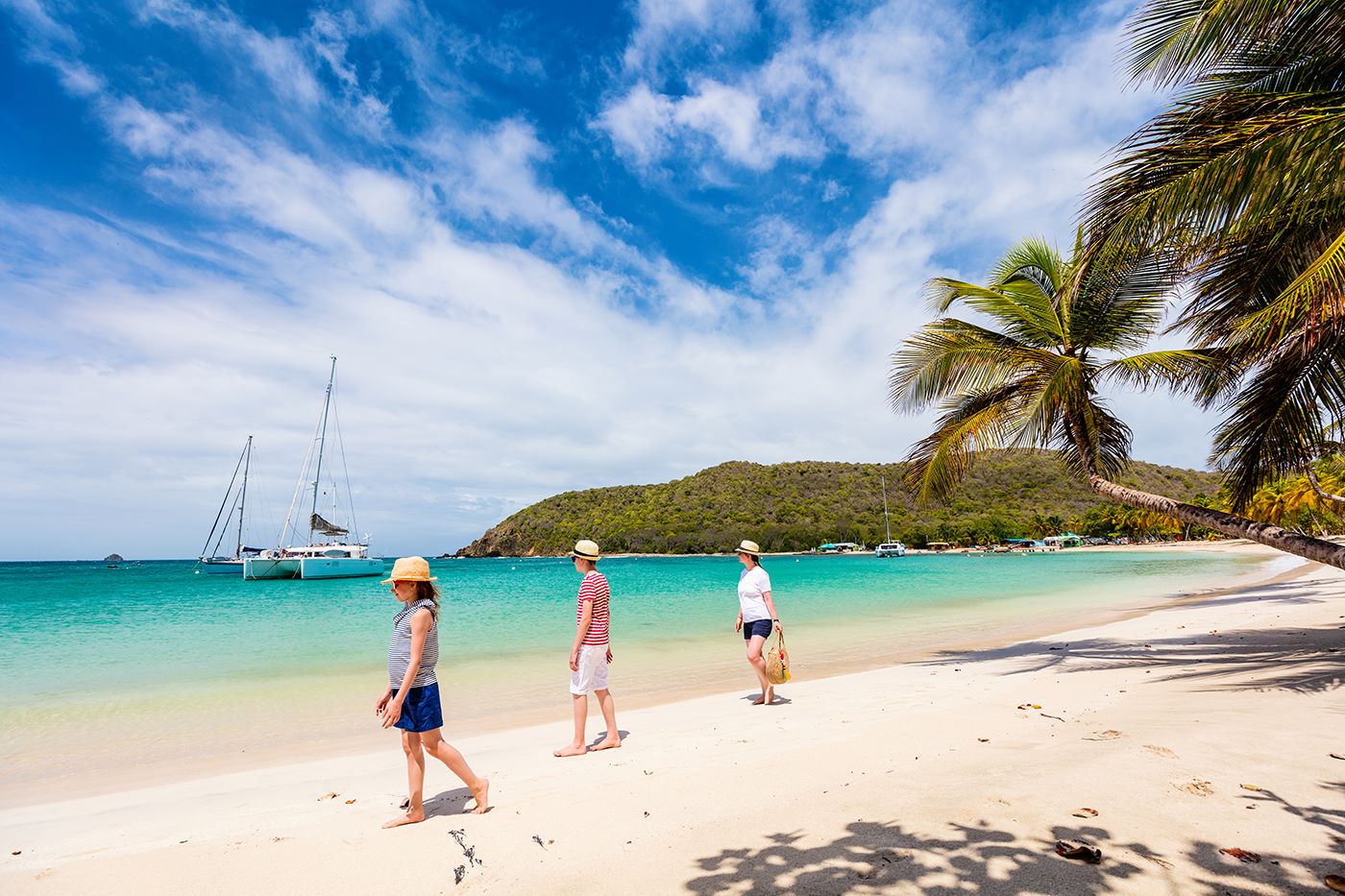
The pearl of the Antilles, in the heart of the Caribbean, you'll be seduced by its tropical climate and turquoise waters.
Flower island...
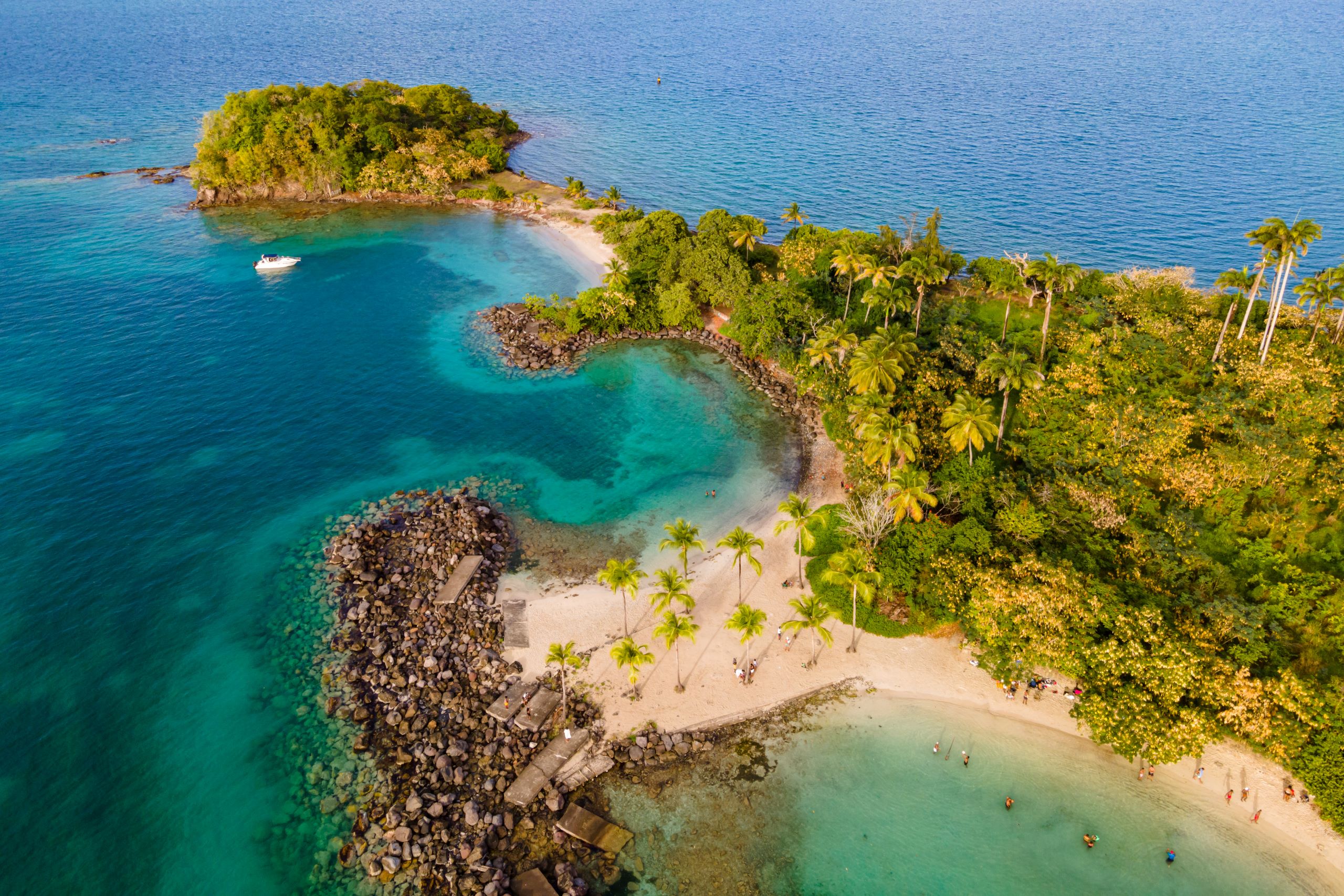
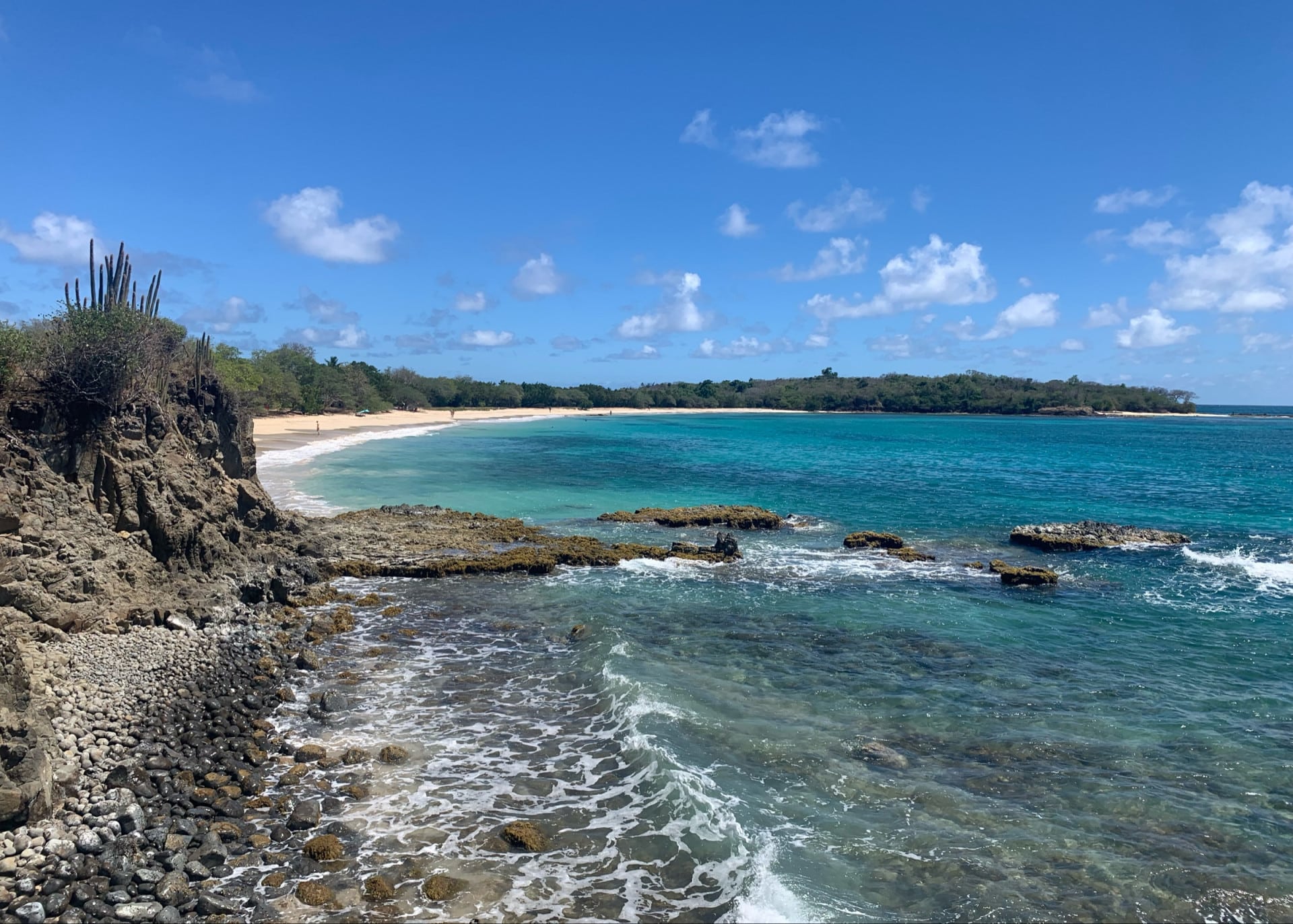
Nicknamed for its rich flora and incredible biodiversity, Martinique has a multitude of natural attractions: beaches, mangroves, volcanoes, sugar cane fields, white sandy beaches...
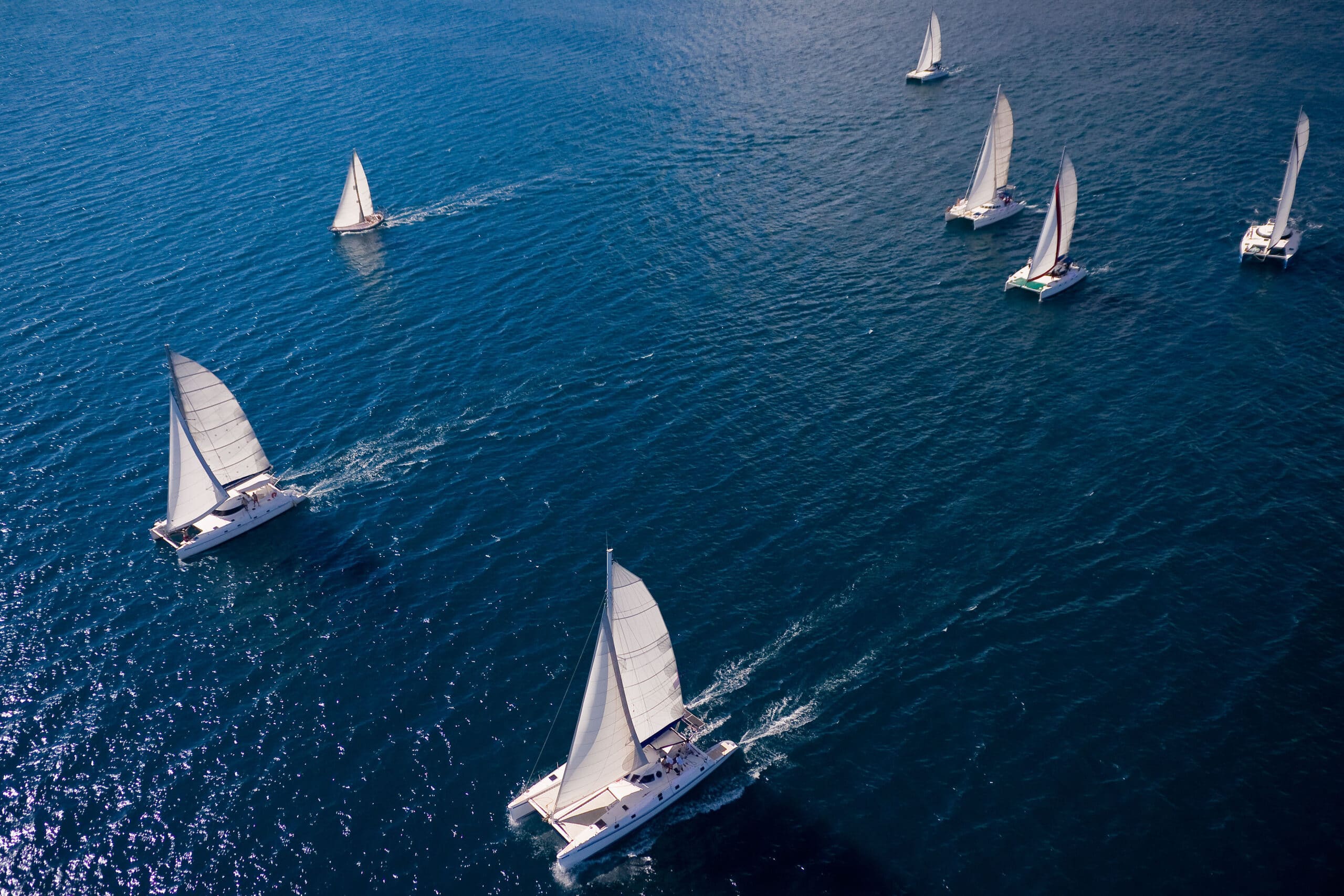
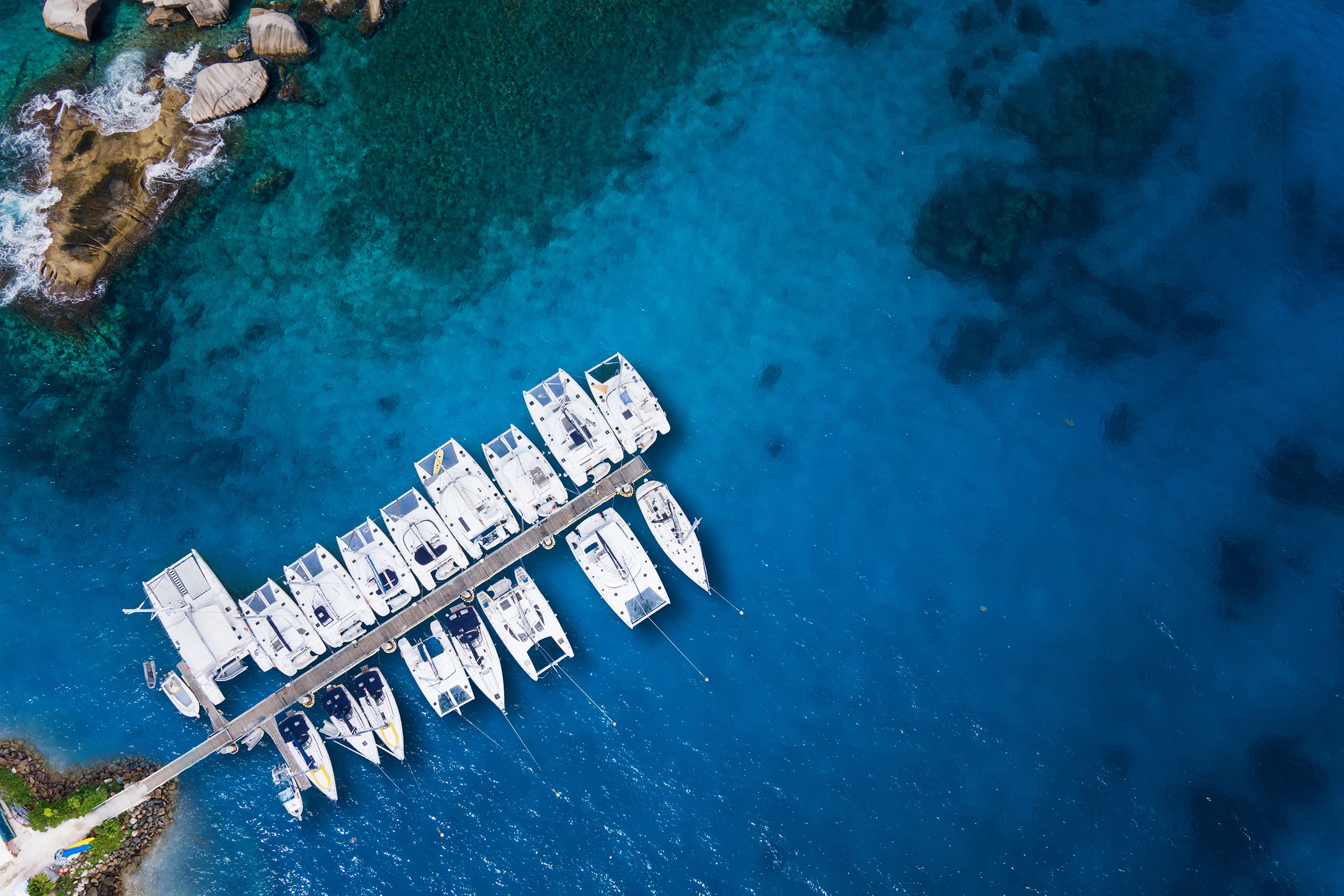
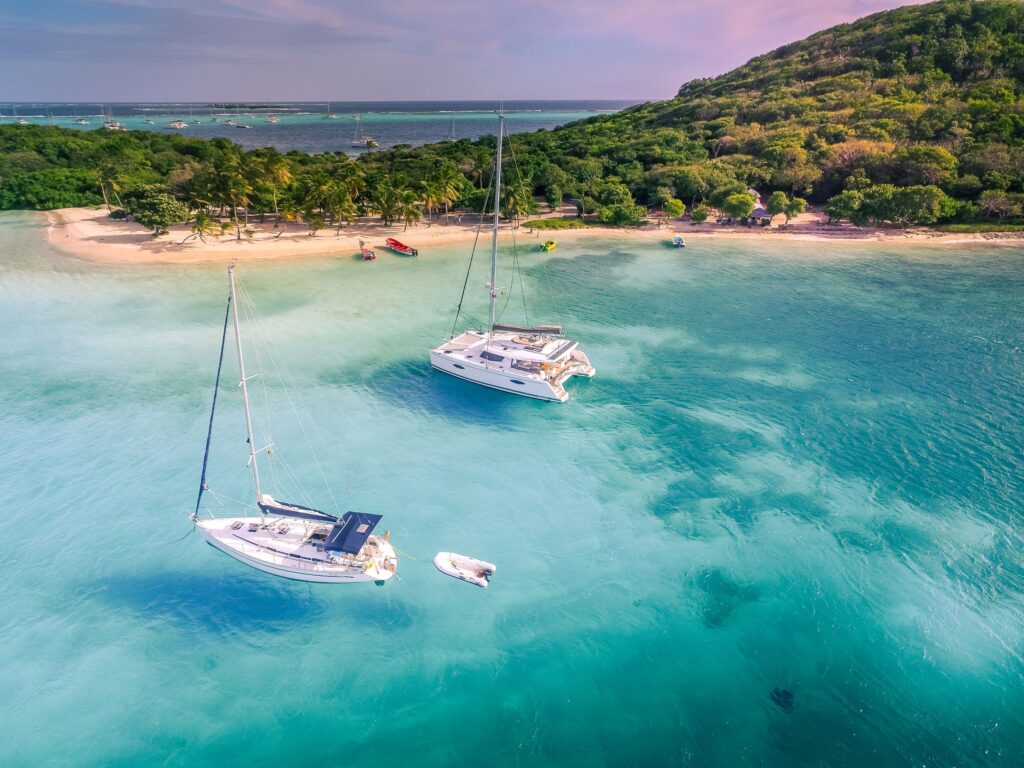
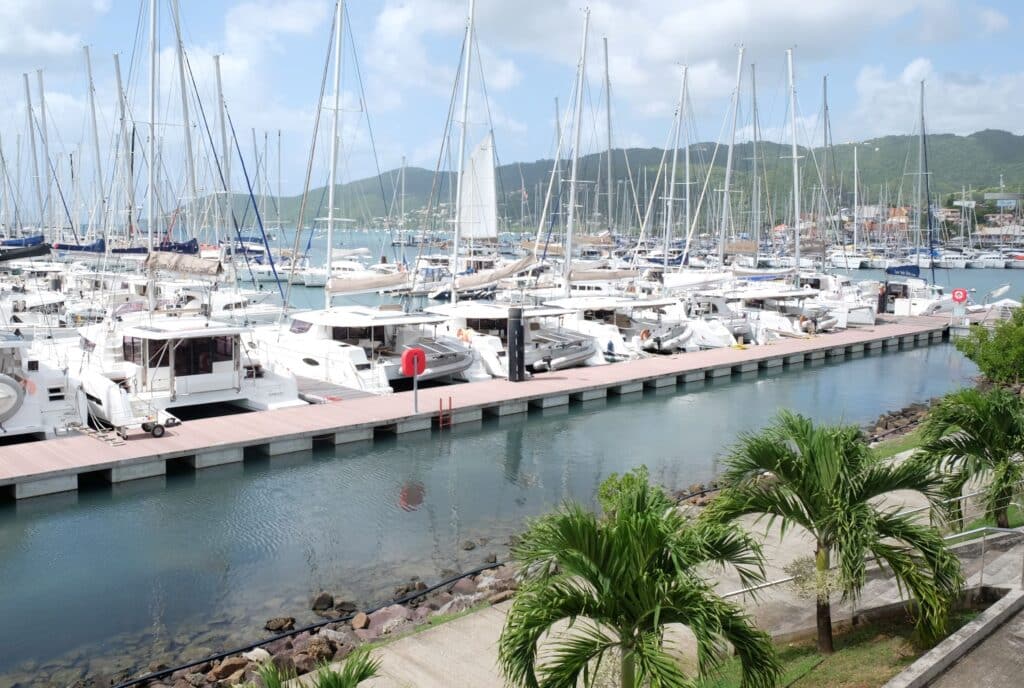
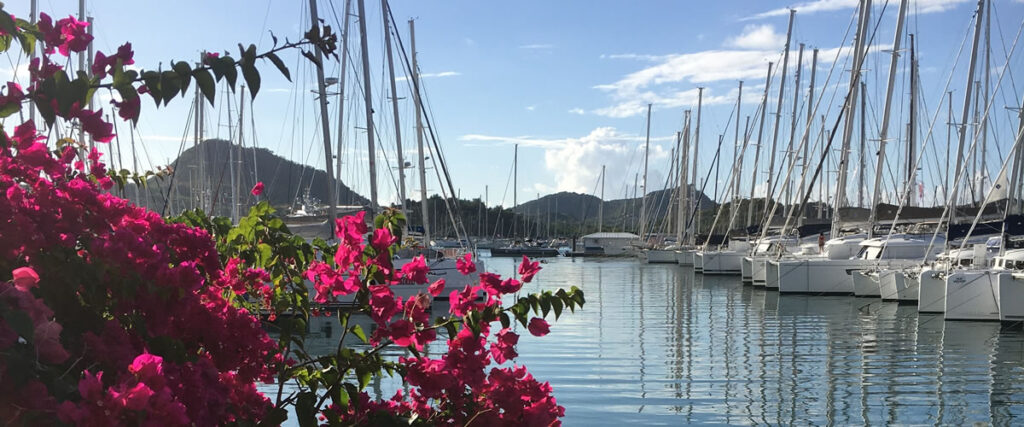
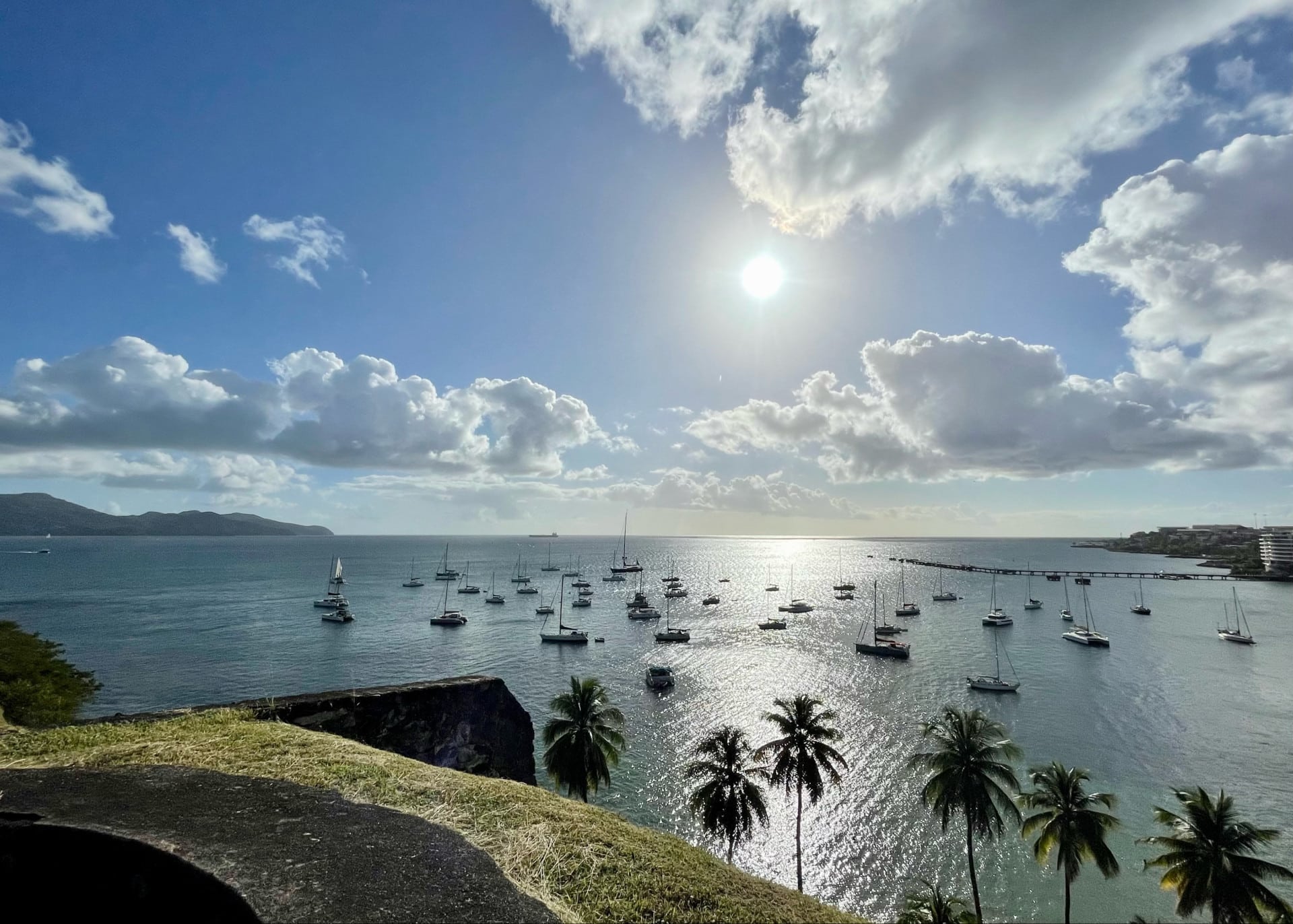
Arriving in Fort de France is an immediate change of scenery! The Marina du Marin is where you'll find the largest number of catamarans for exploring the other nearby islands.
Information before you leave
The climate
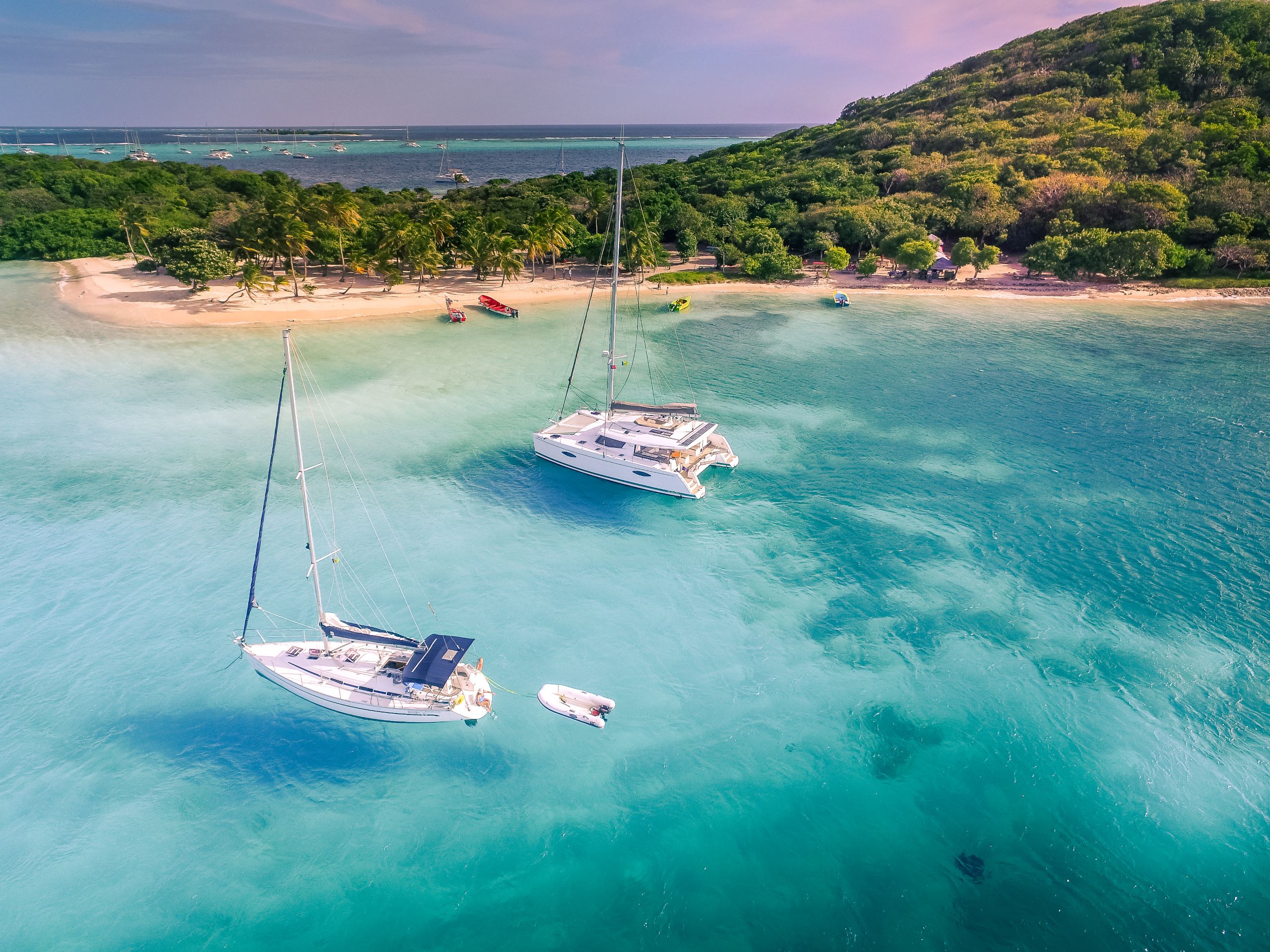
Martinique enjoys a tropical climate. As such, temperatures are warmest between May and November, with lots of humidity and rain at the end of the day. From mid-August to mid-October, there is a "cyclonic period" during which sailing is not recommended, as the risks are high.
The other part of the year, between November and May, is drier and less hot, due to the arrival of the trade winds, typical of the tropics. This is the best time to sail in Martinique.
Swimming
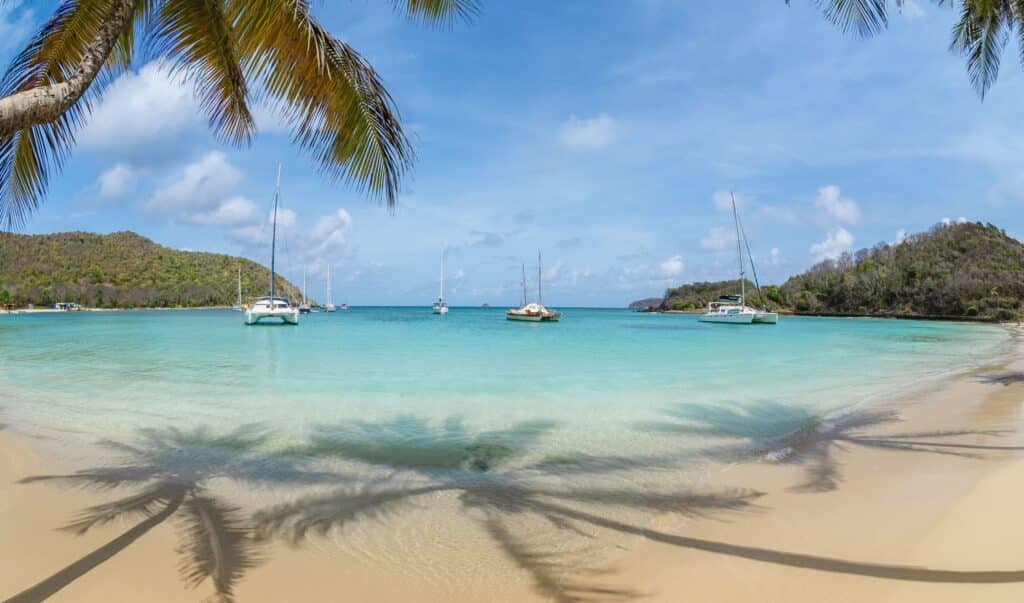
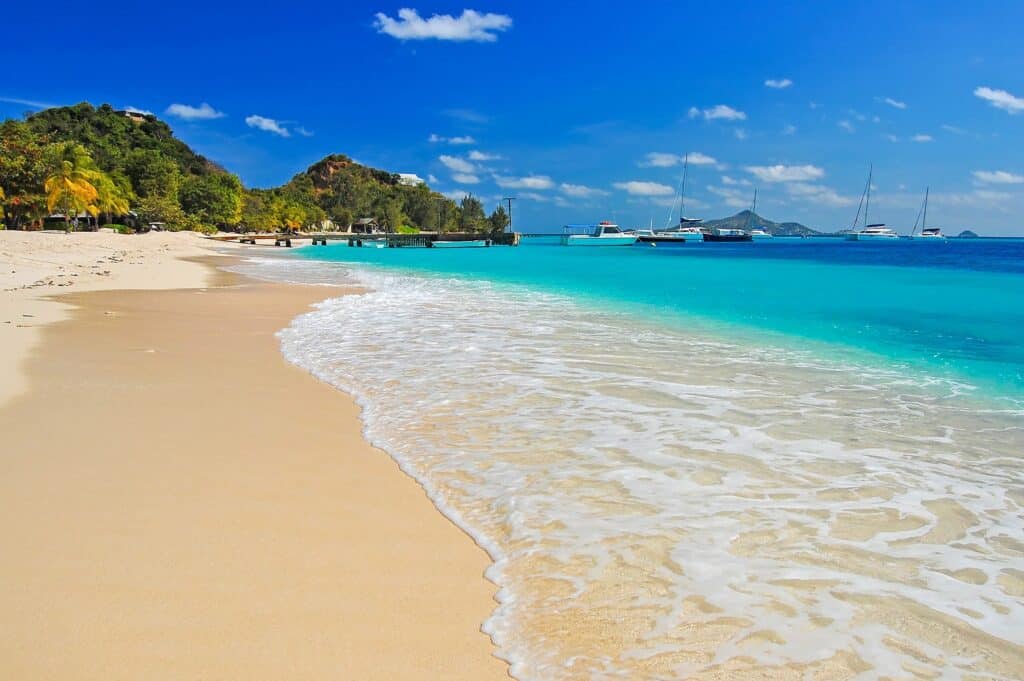
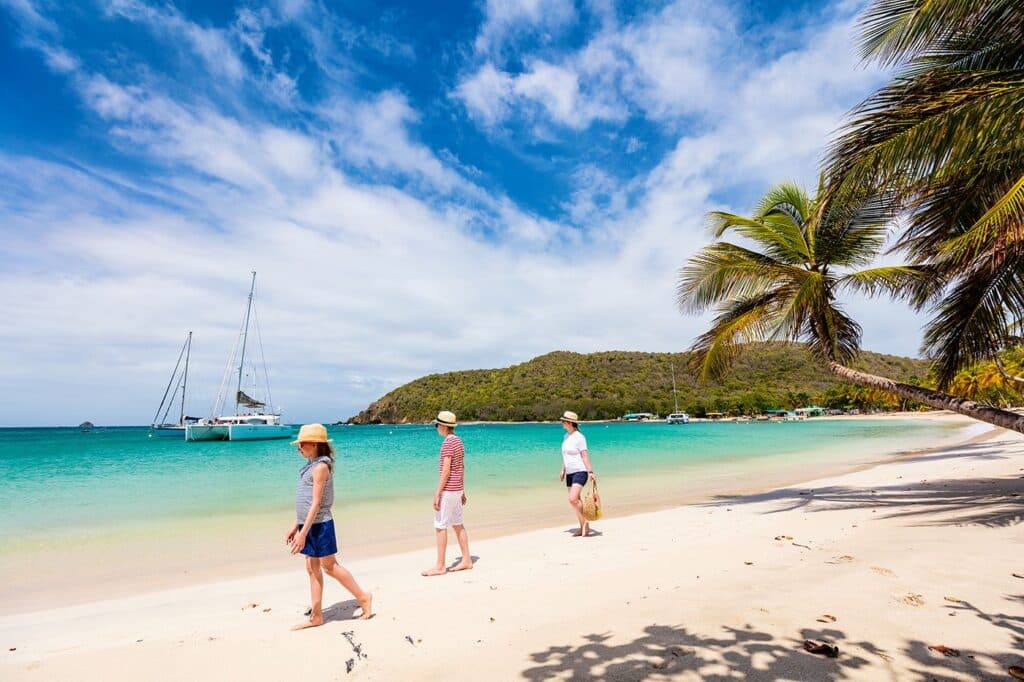
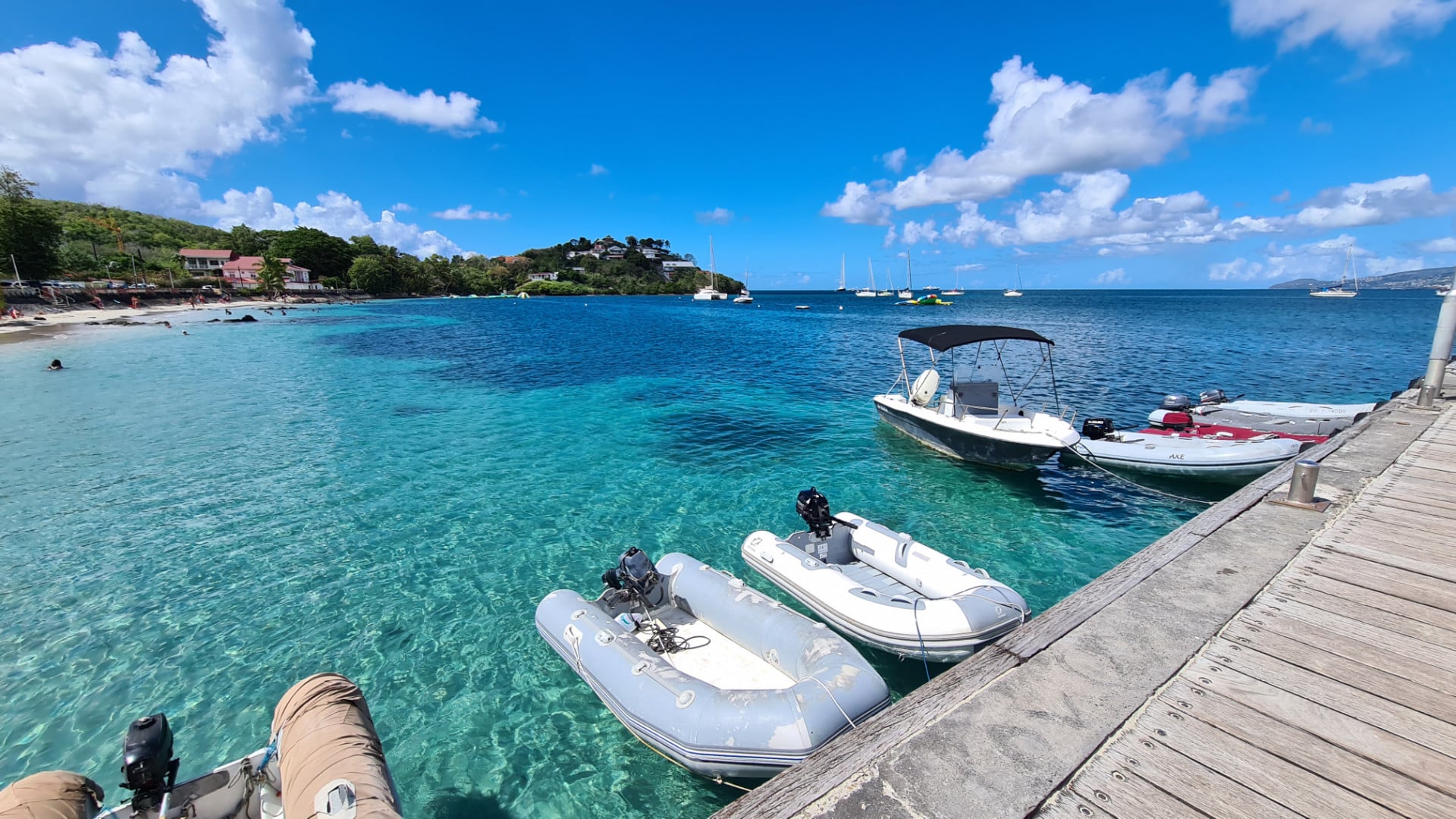
In Martinique and the surrounding islands, there are many fine sandy beaches and magnificent swimming areas. The advantage of the French West Indies is that the water remains warm all year round. It reaches a peak temperature of around 30° between August and October, but this is also the rainy season, so not the best time to swim, and especially not the best time to dry your towel afterwards if it rains. For the rest of the year, the water remains at a very pleasant temperature of around 27°. It's important to find out which bathing sites are right for you, as some are more suitable than others. Follow this link to discover the island's beaches, with descriptions of each and practical information.
Geography
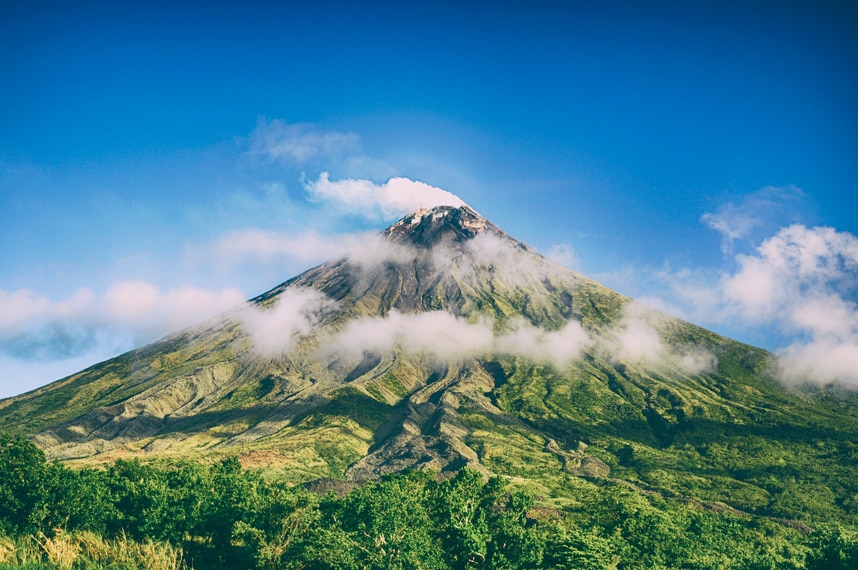
Martinique is a volcanic island. It is dominated by a central mountain range, of which Mount Pelé (1,397 m) is the highest point. Mount Pelé, which is still active, is a major geographical landmark for sailors, as it can be seen from afar. However, its presence is a reminder that the island can be prone to volcanic activity.
Martinique has a jagged, contrasting coastline that offers a variety of anchorages:
- The quieter south of the island, with sheltered bays such as Anses d'Arlet and Le Marin, is particularly popular with yachtsmen. The port of Le Marin is one of the largest and most modern in the Caribbean, offering a wide range of facilities for pleasure craft, as well as services for refuelling and boat maintenance.
- The wilder, mountainous north is often more exposed to winds and waves. The volcanic coasts around Mount Pele are impressive, but also present dangers for navigation, particularly with rocky areas and unpredictable currents. Conditions are sometimes even more difficult, especially during cyclones and storms. Mount Pele, which is still active, is a major geographical landmark for sailors, as it can be seen from afar. However, its presence is a reminder that the island can be prone to volcanic activity.
Risk zones: The island is surrounded by coral reefs and rocky areas, making certain parts of its coastline difficult to navigate, especially without a good knowledge of the seabed. Nautical charts and visual landmarks such as Mont Pelé are essential to avoid underwater dangers.
Sailors should also be aware of protected ecological zones, such as the Caravelle peninsula nature reserve, home to mangroves and protected islands, where navigation should be cautious and environmentally friendly. The island's southern shores, with their beaches and coral reefs, are particularly popular for snorkeling and scuba diving.
Prevailing winds
In Martinique, the trade winds are dominant and constant, blowing from the subtropics towards the tropics and offering good conditions for sailing, particularly on the east coast, which is often more exposed. On the other hand, sea currents can make certain areas of the coast difficult to tackle, particularly in the event of swells or tropical storms.
They come mainly from the northeast (20° to 30° east), and blow all year round, with greater intensity during the dry season (December to May).
- Direction: northeast (generally blowing between 20° and 30° east of north).
- Speed: On average, the trade winds blow at a speed of 15 to 25 knots (around 30 to 50 km/h), but can reach higher values, particularly during storms or in certain areas of the island.
During the dry season (December to May), the trade winds are particularly steady and can reach their maximum speed, creating ideal conditions for sailing and cruising.
Some areas of Martinique are particularly exposed to trade winds, due to their geography and position. Such is the case of the island's eastern coasts and southern bays.
Sailors should also be on the lookout for tropical cyclones, which affect the region from June to November, mainly in the southeast of the island. Cyclones can bring winds of 50 to 150 knots (100 to 270 km/h) in the worst cases, with dangerous conditions for navigation.
Martinique, like other tropical islands, experiences sea breezes and land breezes, which are local wind variations caused by temperature differences between sea and land.
- Sea breeze: During the day, the land heats up faster than the sea, creating a pressure difference that causes winds to blow from sea to land. This phenomenon is generally more pronounced on coasts exposed to the trade winds, such as the island's southeast coast.
- Land breeze: At night, the situation is reversed. The land cools faster than the sea, creating a breeze that blows from land to sea. This phenomenon is generally less powerful than the sea breeze, but it can affect sailing conditions near the coast at night.
The formalities
For French nationals, for a tourist stay of less than 3 months, all travelers, including minors, must be in possession of a passport or national identity card valid for the entire duration of their stay. For other nationals, please contact the relevant authorities. Please note that proof of identity is required to embark with one of our rental partners.
Most people who decide to go on a cruise to Martinique want to discover the neighboring islands: St Lucia, St Vincent les Grenadines, Dominica: St Lucia, St Vincent les Grenadines, Dominica... In order to leave the marina and comply with the rules, you'll need to complete what's known as an exit clearance, and de facto an entry clearance for your various stops on the islands. For French nationals, a passport is mandatory.
Currency and exchange rate: Euro. In Martinique, credit cards are used almost everywhere. A shopkeeper is obliged to accept at least 2 means of payment: cash, check or credit card. On holiday resorts, some retailers do not respect this rule and impose cash. It's also worth noting that some retailers refuse to accept payment by credit card below a certain amount, generally €10 or €20.
If you're planning to visit the neighboring islands, we recommend that you exchange your currency for US dollars, rather than the local currency, the East Caribbean dollar (XCD, pronounced "here"). The cost of exchange will be lower, but the convenience will be greater, as all the islands accept US dollars and prices are displayed in US dollars in most tourist locations. You can also change your US dollars on your return.
What license do I need to sail?
In Martinique, as in mainland France, no license is required to sail a yacht. Most charter companies will ask you for a Nautical CV to prove your sailing ability. What's more, if you have more than 6 hp, you'll need a motorboat license (even for tenders on cruising catamarans).
There are several types of motorboat license: river, coastal and offshore.
Ports and marinas
In addition to Le Marin, Martinique has several other ports, including Fort-de-France, which is an important commercial port. However, Fort-de-France is less suitable for pleasure craft, due to its proximity to the city center and sometimes rougher conditions. The port of Robert to the northeast is also an interesting mooring point, although it is smaller and less busy.
Most of the time, sailors prefer to anchor in quiet, sheltered bays.
Advice for sailors wishing to visit the nearby islands: Pay particular attention to your choice of anchorage. Some anchorages can be dangerous and are not recommended.
Navigation
Martinique offers a wide variety of anchorages suitable for pleasure boating, spread over its three coasts:
- South coast (quieter and sheltered) :
- Le Marin: Large, well-sheltered marina with numerous marinas and services for sailboats.
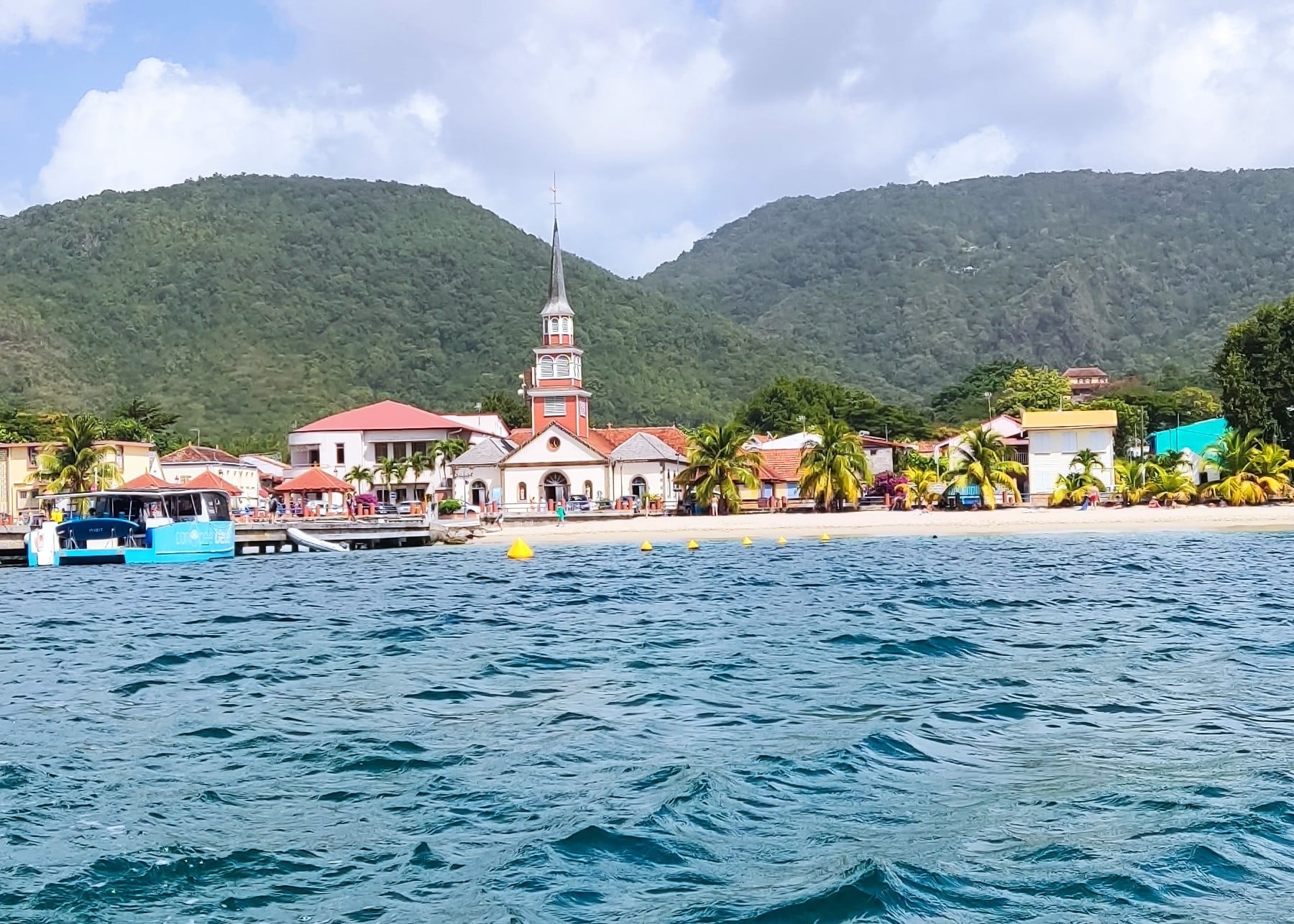
- Anses d'Arlet: Quiet bay, ideal for anchoring, with clear waters and a beautiful beach.
- Les Salines: A very popular beach, with calm but sometimes shallow waters for anchoring.
- West and north coast (wilder and more mountainous):
- Baie de Fort-de-France: An important commercial and pleasure port, but often windy.
- Saint-Pierre: A small, historic town at the foot of Mont Pelé, where you can anchor, although the sea can be rough.
- Le Carbet: Quiet bay to the northwest, ideal for anchoring, but with a rocky seabed.
- East coast (more exposed to trade winds):
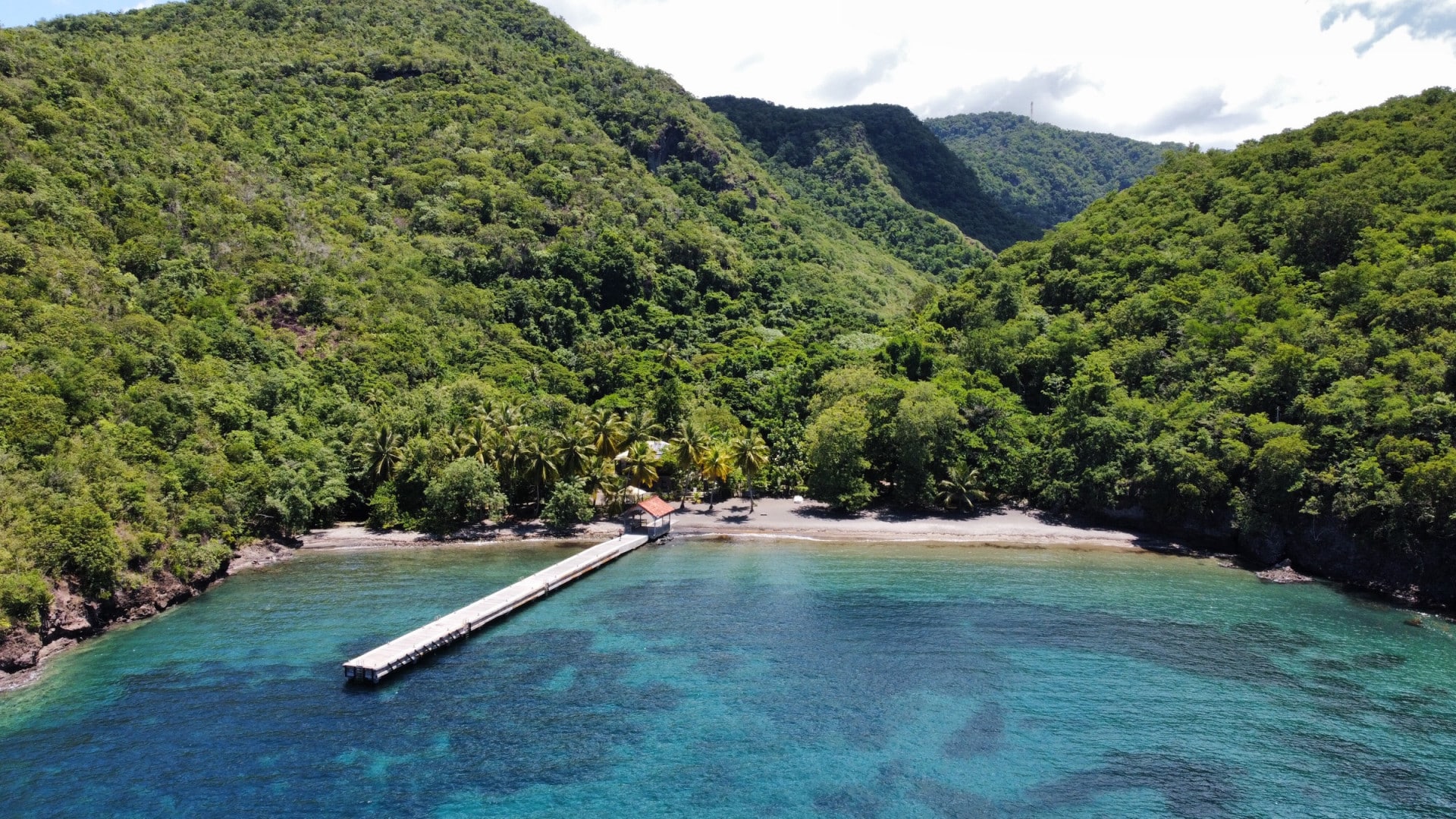
- Anse Couleuvre: Isolated bay, difficult to access but magnificent, ideal for experienced sailors.
- Presqu'île de la Caravelle: Protected area, ideal for anchoring in Trinité Bay, with natural landscapes.
If you would like to visit the neighbouring islands, you will find :
- Saint Lucia: Around 40 km to the south, this island offers impressive scenery, including the Pitons.
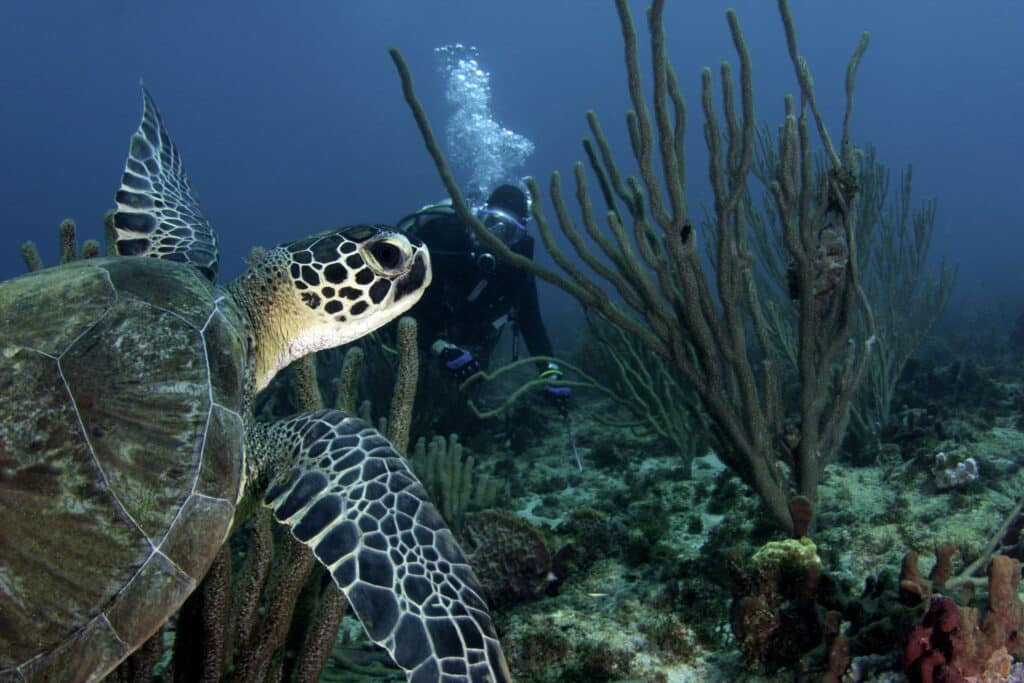
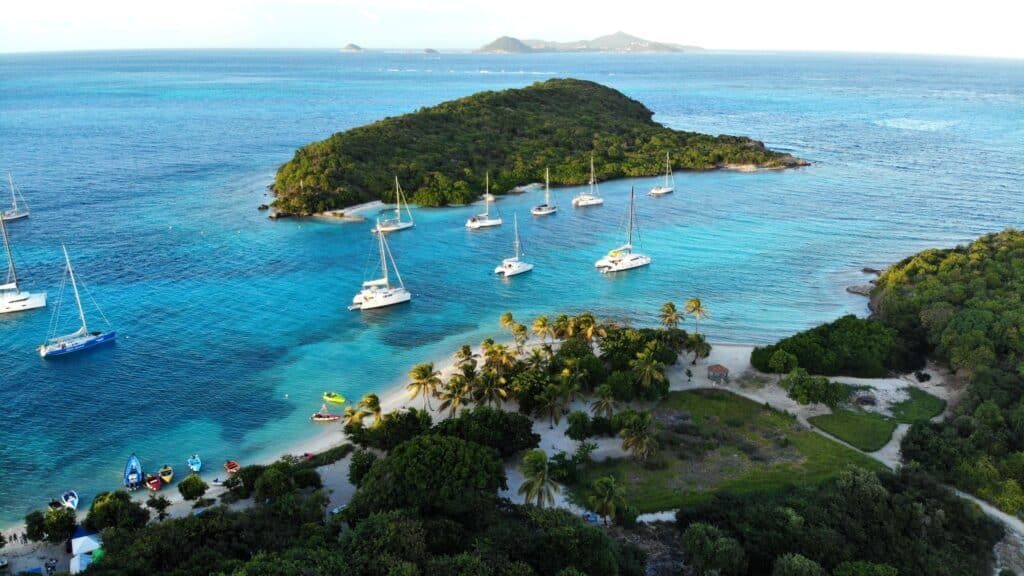
- The Grenadines (St. Vincent and the Grenadines): 80-100 km to the south, these islands are popular for their natural beauty and protected anchorages with sea turtle discoveries in the Tobago Cays.
- Dominica: Further north, this volcanic island can be reached in just a few hours and offers unique tropical landscapes.
These neighboring islands are popular destinations for sea escapades, with numerous anchorages and crystal-clear waters ideal for diving.
Discover Martinique
Martinique in pictures
Proposed itinerary and schedule
Le marin - Diamond Point
Discover the Diamant rock, whose highest point is over 170m.
Its underwater flora and fauna make it an ideal spot for scuba diving. In the evening, you can anchor at Plage du Diamant, wind permitting, or in Anse du Marigot.
La pointe du Diamant - Anse d'Arlet
Dive into the waters of the Anses d'Arlets, home to numerous fish and turtles. This calm, peaceful bay guarantees happiness and relaxation. You'll find a sumptuous white-sand beach. In the evening, you can moor in the organized mooring area. No fairground mooring allowed!
Anses d'Arlet - St Pierre
A small town at the foot of Mont Pelée, a famous volcano that erupted over 100 years ago, you can visit its museum. For diving enthusiasts, there's Coré beach, home to one of the world's largest marine cemeteries. Explore the seabed to discover underwater wrecks dating back to the war.
Saint Pierre - Fort St Louis/Fort de France
Take the opportunity to stop off near the capital Fort-de-France. You can anchor at Fort st Louis and visit a number of tourist attractions, including Fort Saint-Louis, the market and the city's cathedral.
Anse Mitan - Trois Ilets
With a superb view over the bay of Fort-de-France, this beautiful beach with its blonde sand and clear waters, lined with restaurant terraces, is surely one of the liveliest beaches in Martinique.
Black cove - Boiler cove
Martinique's favorite anchorage, 3 miles from Anse Mitan, come and discover the tropical ambience of Anse Noir. If you're a snorkeling enthusiast, you'll see many species in the protected waters, including starfish, turtles and hundreds of species of fish. Before you leave, be sure to check out the bat cave.
Sainte Anne - Le Marin
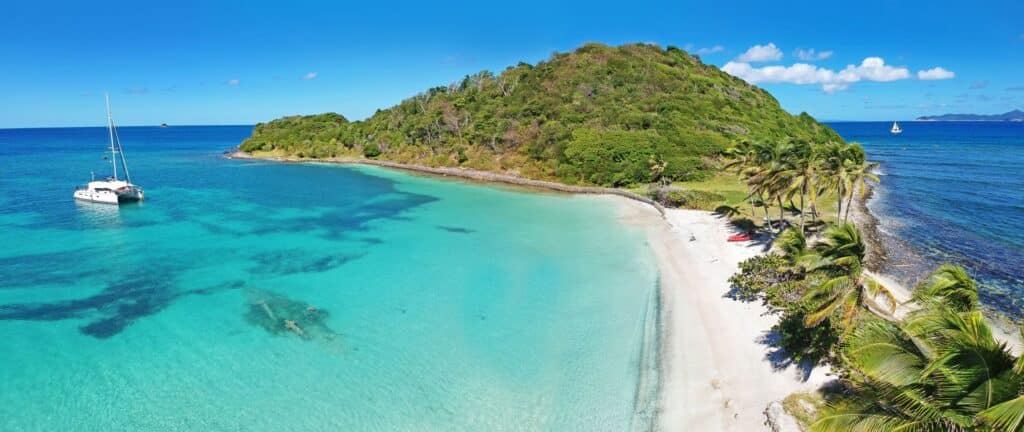
Last day in St Anne and its bay of paradisiacal palms. Here, you can discover a wide beach and stroll along a coconut grove. If you're feeling more sporty, we recommend a hike to the Crève Cœur peak.
The itineraries and anchorages we suggest are given for information only.
They can be adapted to suit your desires, weather and anchorage conditions (crowds, accessibility) and your departure base.
In the case of a skippered charter, the skipper, who is responsible for the smooth running of your cruise, will decide on the best navigation options in exchange with you.
Real-time weather in Martinique
Discover our selection of catamarans
They talk about us
We were accompanied by Aurélie, who helped us find the cruise we wanted and, above all, the catamaran that suited us. Superb first sea experience! Thanks to the Keep Sailing team.
Commercial
Aurélien Duchard
Used to going out to sea, I was able to discover Sardinia for the first time with Keep Sailing. The catamaran was well maintained and seaworthy (Nautitech open 40). The whole cruise went well, despite the sometimes capricious weather. Thanks to the team, all very professional from start to finish, with a good relationship with the charter company.
Notary
Harold Birkman
A top-notch catamaran with plenty of living space. We left on a brand new Bali 4.2. The charter company listened carefully to our course recommendations and we salute Eric's patience in managing and monitoring our file. A great experience that we hope to repeat with the kids this time.
HR Consultant
Karim Khan
Super cruise! A magnificent discovery of Croatia with its many islands. We set off with a very friendly skipper, despite a language barrier that wasn't always easy to manage, and the boat was handled masterfully. The anchorages are incredible and the follow-up was perfect, with a great responsiveness that was much appreciated!
Key Account Manager
Pedro Albertini
We discovered the islands of Porquerolles, Lavandou and Port Cros. Incredible anchorages with a multitude of fish for PMT diving enthusiasts. I loved the underwater tour of Port Cros. The catamaran was in good condition and quite comfortable. With 4 people, we weren't cramped on a Lucia 40. A great, well-organized time!
Roger Pallet
A weekend aboard the Windelo 54 Yachting is an opportunity to get together with family and share convivial moments in the practicality of life on board. When the weather's fine and you're at anchor, you open the large aft French window and the space expands right out to sea. All you have to do is dive in - a real treat.
Customer Relations
Aurélie